


The Nutritional Value of Dates: Why Are They Different from White Sugar?
The Difference Between the Glycemic Index and Glycemic Load of Dates
Different Types of Dates and Their Relationship with Blood Sugar Levels
Fresh Rutab Dates vs. Dried Dates: Which Is Gentler on Blood Sugar?
Tammar Store: Your Destination for Authentic, Carefully Selected Saudi Dates
Special Considerations: Timing, Different Groups, and Symptoms
Do Dates Raise Blood Sugar in People with Diabetes? Golden Rules for Eating Them
Glycemic Comparison of Popular Dates in the Saudi Market
The Role of Saudi Coffee in Modifying Sugar Absorption
Warning Signs: How to Know If Dates Have Raised Your Blood Sugar to an Unsafe Level
Conclusion
Frequently Asked Questions
Sources and References
Opinions sometimes differ between those who consider dates a blessed, natural food that cannot cause harm and those who treat them as nothing more than concentrated sugar that should be avoided entirely, particularly given the rising rates of diabetes and prediabetes in Saudi society.
In this comprehensive guide, we explore documented scientific information about how different types of dates and stages of ripeness may affect blood glucose levels. We also provide practical guidance that takes the Saudi lifestyle into account while placing your health and safety first.

The Scientific Answer at a Glance
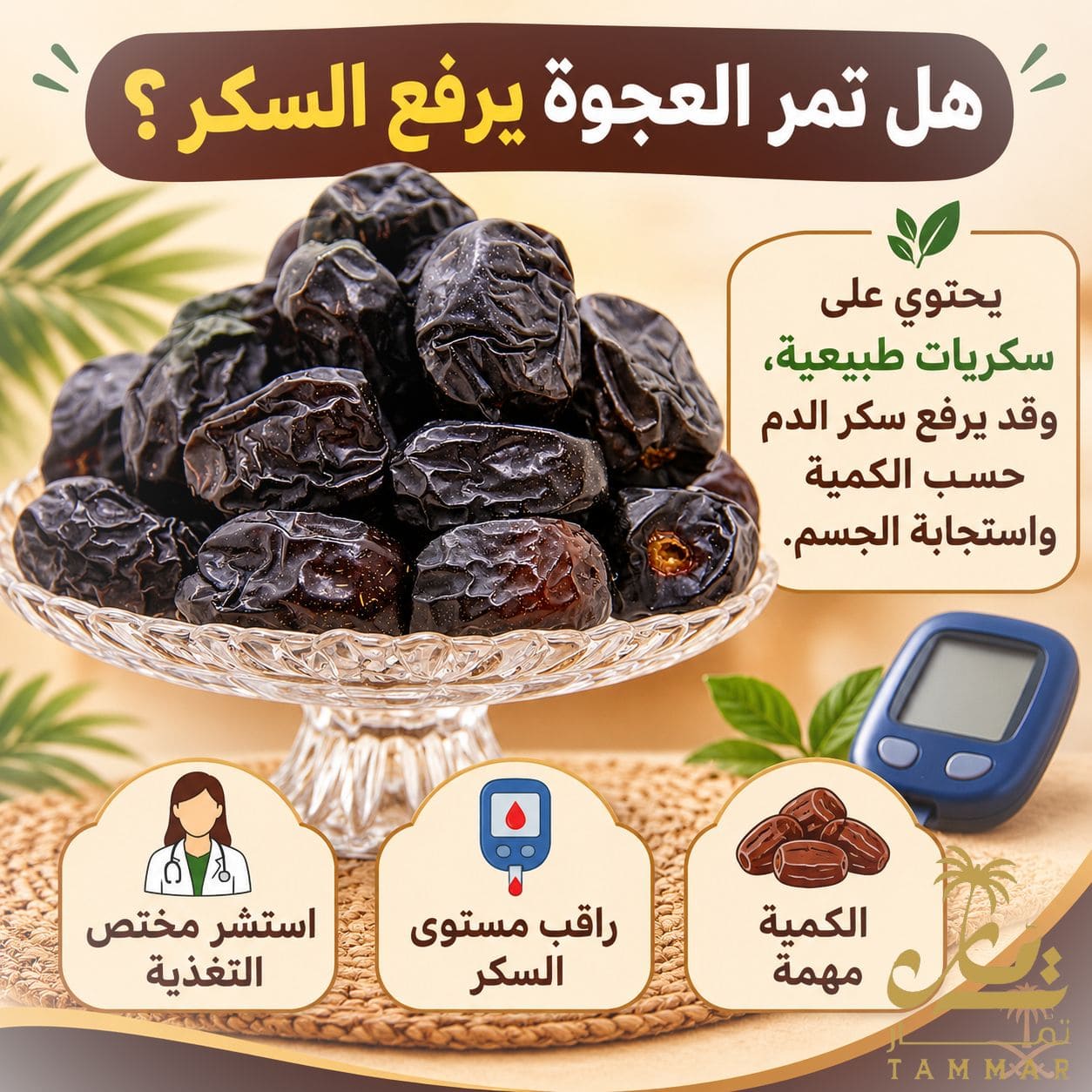
The direct scientific answer is yes: eating dates can increase blood glucose levels because dates contain carbohydrates and natural sugars. However, the important question is not simply whether dates raise blood sugar, but rather: Do dates cause a sudden and significant spike in blood glucose?
The article states that most date varieties have a low to moderate Glycemic Index (GI), ranging from 42 to 55. This means they release sugar more gradually than white sugar or processed sweets, partly because they contain dietary fiber and antioxidants.
The actual effect depends on several factors:
The amount consumed (glycemic load).
The individual's health condition (healthy, living with type 1 or type 2 diabetes, or experiencing gestational diabetes).
The timing of consumption and what is eaten alongside dates, such as Saudi coffee, nuts, or protein-rich foods.
Read also: Dates with the Lowest Sugar Content
1. The Nutritional Value of Dates: Why Are They Different from White Sugar?
To understand whether eating dates raises blood sugar in a harmful way, we need to examine the nutritional composition of a date.
An average date weighing approximately 8–10 grams contains several important nutrients:
Carbohydrates: These account for approximately 70%–80% of the dry weight and consist of glucose, fructose (fruit sugar), and sucrose in varying proportions depending on the date variety.
Dietary Fiber: Dates contain both soluble and insoluble fiber. Fiber is an important component that helps slow sugar absorption in the small intestine and may reduce rapid fluctuations in blood glucose and insulin response.
Potassium and Magnesium: Essential minerals that support heart health and contribute to normal metabolic functions.
Antioxidants (Polyphenols and Flavonoids): Compounds associated with reducing oxidative stress and inflammation, which are linked to insulin resistance.
Therefore, while refined white sugar provides calories with very little nutritional value, whole dates offer a more complex nutritional composition that includes fiber, minerals, and antioxidant compounds.
2. The Difference Between the Glycemic Index and Glycemic Load of Dates
To understand whether dates raise blood sugar levels significantly, it is important to distinguish between two key nutritional concepts.
1. Glycemic Index (GI)
The Glycemic Index measures how quickly a particular food raises blood glucose compared with pure glucose, which is assigned a value of 100.
Low: Below 55 (many date varieties fall within this range).
Moderate: 56–69.
High: 70 or above.
2. Glycemic Load (GL)
Glycemic Load is often a more practical measure because it considers both the food's glycemic index and the actual amount of carbohydrates in the portion consumed.
Low: 10 or less.
Moderate: 11–19.
High: 20 or above.
Eating one to three dates may result in a low to moderate glycemic load, depending on the variety and serving size. However, eating half a plate or consuming large quantities can substantially increase the total carbohydrate intake and glycemic load.
Read also: Benefits of Eating Dates on an Empty Stomach
3. Different Types of Dates and Their Relationship with Blood Sugar Levels
Dates vary according to their variety, moisture content, and the proportions of their natural sugars: fructose, glucose, and sucrose.
In Saudi Arabia, many varieties are popular for everyday consumption and hospitality. This makes it useful to examine each variety separately.
1. Ajwa Dates: The Distinguished Prophetic Date
A common question is: Do Ajwa dates raise blood sugar?
Ajwa dates from Madinah are described as containing a balanced proportion of fructose and glucose, along with antioxidants and pectin fiber.
The article refers to research published in clinical nutrition journals and studies associated with King Saud University, stating that Ajwa dates have a low Glycemic Index and do not cause a sharp increase in glucose when consumed in moderation (one to three dates).
Ajwa dates are presented as an option for people seeking to enjoy the nutritional characteristics of dates while paying attention to blood sugar management.
2. Sukkari Dates: A Popular Saudi Favorite
Sukkari dates, particularly those from Al-Qassim, are among the most popular varieties served during hospitality occasions.
This raises another common question: Do Sukkari dates raise blood sugar?
The answer presented in the article is yes. Sukkari dates are described as having a higher proportion of sucrose than some other varieties, which contributes to their distinctive, rich sweetness and soft or sticky texture.
Their Glycemic Index is described as slightly higher than that of Ajwa and Khalas dates. Therefore, excessive consumption may lead to a faster increase in blood glucose.
The article advises people with diabetes to exercise particular caution and carefully control their portions, suggesting only one date when necessary.
3. Khalas Dates: A Balanced Choice
Another frequently asked question is: Do Khalas dates raise blood sugar?
Khalas dates, particularly those from Al-Ahsa and Al-Kharj, are described as having a relatively balanced sugar composition.
The article highlights their fructose content, noting that fructose is metabolized differently from glucose. Their Glycemic Index is estimated at approximately 46–50, a range described in the article as suitable for moderate consumption.
Khalas dates are presented as an option for consumers looking for natural sweetness and a source of energy while paying attention to their dietary intake.
4. The Rare Wanana Date
Some people ask: Do Wanana dates raise blood sugar?
Wanana is an old date variety known for its relatively high fiber content and moderate sweetness.
The general guidance for dried dates also applies to Wanana: consuming a limited quantity, such as one or two dates, is unlikely to produce the same effect as eating large quantities. However, excessive consumption can still increase blood glucose because dates are a source of carbohydrates.
Read also: The Difference Between Sukkari Galaxy and Sukkari Maftul
4. Fresh Rutab Dates vs. Dried Dates: Which Is Gentler on Blood Sugar?
One important question for date consumers is: Do fresh Rutab dates raise blood sugar more than dried dates?
The comparison presented in the article highlights several differences:
Rutab (the fresh, soft stage): Rutab dates contain a relatively high moisture content, which can reach 30%–40%. This means that the sugar concentration per gram is generally lower than in fully dried dates. Two Rutab dates may provide a greater sense of fullness because of their weight and moisture content, although portion size still matters.
Fully Dried Dates: During drying, dates lose a significant amount of water. As a result, their natural sugars become more concentrated, and their calorie content per 100 grams increases.
So, do fresh Rutab dates raise blood sugar? Yes, they can raise blood glucose. However, because of their higher moisture content, they may contain less sugar per gram than fully dried dates. The actual effect depends on the variety and the amount consumed.
Read also: The Difference Between Sukkari Galaxy and Sukkari Maftul
5. Tammar Store: Your Destination for Authentic, Carefully Selected Saudi Dates
If you are looking for the right balance between enjoying delicious, high-quality dates and maintaining a healthy lifestyle, Tammar Store is a destination for authentic Saudi dates.
At Tammar Store, we focus on sourcing carefully selected dates from the farms of Madinah, the orchards of Al-Ahsa, and the palm groves of Al-Qassim. Our dates are selected according to high standards of quality and freshness.
Whether you are looking for premium Ajwa dates from Madinah, known for their distinctive qualities, or royal Khalas dates from Al-Ahsa, celebrated for their traditional flavor, Tammar Store offers a convenient shopping experience with delivery to your door across cities throughout Saudi Arabia.
Choose quality and enjoy the authentic taste of natural dates. Explore our range of 100% natural dates, with no unnecessary additives, at Tammar Store.
Discover our collection: Tammar Store – Premium Dates and Hospitality
Read also: Benefits of Sesame Tahini: A Comprehensive Nutritional Guide to Health and Beauty
6. Special Considerations: Timing, Different Groups, and Symptoms
1. Eating Dates Early in the Morning: What Happens in Your Body?
Many people want to know: Do dates raise blood sugar when eaten on an empty stomach? And does breaking the fast with dates raise blood sugar?
When the stomach is empty, food begins moving through the digestive system without other foods accompanying it. According to the article, eating dates on an empty stomach may lead to:
A direct supply of simple sugars into the bloodstream to replenish energy after sleep or fasting.
A pancreatic response involving insulin release.
For a healthy person, this response is a normal part of metabolism and helps provide energy.
For someone with diabetes, however, eating three to five dates at once on an empty stomach without accompanying protein or fat may lead to a significant blood glucose increase.
For this reason, the article recommends beginning an iftar meal during Ramadan or breakfast with one date and water, then allowing some time before continuing with a balanced meal.
2. Dates and Gestational Diabetes: Important Precautions
Pregnant women often ask: Do dates raise blood sugar during pregnancy?
Gestational diabetes is a hormonal condition that affects how the body responds to insulin.
If a pregnant woman has been diagnosed with gestational diabetes or belongs to a high-risk group, the carbohydrates in dates must be carefully included in her daily meal plan.
The article provides the following suggestions:
During the first and middle months of pregnancy: One date may be considered alongside blood glucose monitoring and individual dietary guidance.
During the ninth month: Dates are sometimes consumed in the belief that they may help prepare the body for childbirth. However, pregnant women with gestational diabetes should discuss this with their obstetrician and registered dietitian before changing their intake.
3. Tamarind: Is It Actually a Date?
Many people confuse palm dates with tamarind and ask: Does tamarind raise blood sugar? And does tamarind juice raise blood sugar?
Botanically, tamarind is the fruit of a tropical tree and is entirely different from palm dates. Natural tamarind contains tartaric acid and antioxidant compounds.
However, the main concern is how tamarind is traditionally prepared as a drink. Large amounts of refined sugar are often added to balance its strong sour taste.
The article distinguishes between two forms:
Unsweetened Natural Tamarind: Contains no added sugar and can be included in a balanced diet.
Commercial or Ramadan Tamarind Juice: May contain substantial amounts of added sugar, potentially causing a significant rise in blood glucose. People with diabetes should check its ingredients and avoid heavily sweetened versions.
Read also: Types of Sukkari Maftul Dates
7. Do Dates Raise Blood Sugar in People with Diabetes? Golden Rules for Eating Them
We now come to the key question: Do dates raise blood sugar in people with diabetes?
The direct answer is yes. Dates contain carbohydrates and can increase blood glucose in people with diabetes. However, this does not necessarily mean they must be completely excluded from the diet. Their intake should be managed according to individual needs and medical guidance.
There is generally no automatic reason to eliminate dates entirely from every diabetes meal plan. However, the following principles are important:
1. The One-Serving Rule
A commonly used carbohydrate serving for diabetes meal planning contains approximately 15 grams of carbohydrates.
The exact number of dates that provides this amount depends on their size and variety. Two small or medium Khalas or Ajwa dates may provide a substantial amount of carbohydrates, so the portion should be checked rather than assumed.
People with diabetes should follow the serving sizes recommended by their healthcare professional or dietitian.
2. Food Pairing
Rather than eating dates on their own, some people may find it helpful to include them as part of a balanced snack containing protein, fiber, or healthy fats.
Examples include:
One Sukkari Date Stuffed with Roasted Almonds or Sukkari Dates Stuffed with Pecans, provided that the filling and portion size fit your dietary plan.
A small serving of pure Sesame Tahini.
A cup of Saudi coffee flavored with cardamom and cloves, without added sugar.
Protein and fat may slow gastric emptying and influence the rate at which carbohydrates are absorbed. However, combining dates with other foods does not remove their carbohydrate content.
3. When Should You Eat Dates?
The timing of date consumption should be considered within your overall meal plan.
The article suggests two possible approaches:
Before physical activity, such as a 30-minute walk, when the carbohydrates can contribute to energy needs.
As part of a balanced main meal containing a fiber-rich green salad and a suitable source of protein.
People taking insulin or glucose-lowering medication should follow their individual treatment plan and avoid changing medication or food timing without professional advice.
Read also: Types of Sukkari Maftul Dates
8. Glycemic Comparison of Popular Dates in the Saudi Market
The following table reproduces the approximate values and recommendations presented in the original article.
| Date Variety | Approximate Glycemic Index (GI) | Estimated Glycemic Load for Two Dates (GL) | Dominant Sugar Characteristics | Recommendation for People with Diabetes |
|---|---|---|---|---|
| Madinah Ajwa | 42–44 (Low) | Low (approximately 8) | Balanced fructose and glucose | Presented as a favorable option (1–3 dates) |
| Al-Ahsa Khalas | 46–49 (Low) | Low (approximately 9) | Relatively rich in fructose | A good option in moderation |
| Sukkari (Maftul/Yellow) | 55–60 (Moderate) | Moderate (approximately 12) | Higher proportions of sucrose and glucose | Exercise particular caution; control portions |
| Rutab (Various Varieties) | 40–45 (Low) | Low (as stated in the original article) | High moisture content and diluted sugar concentration | A seasonal option, with portion control |
| Natural Tamarind | 23–30 (Very Low) | Low | Organic acids and fiber | Unsweetened versions are preferable |
Note: These figures are reproduced from the original Arabic article and should be independently verified before publication as medical or nutritional reference values. Glycemic values can vary with the variety, ripeness, serving size, and testing method.
9. The Role of Saudi Coffee in Modifying Sugar Absorption
In Saudi Arabia and the Gulf region, dates are traditionally served alongside Saudi coffee. This raises an interesting question: does this combination have a physiological effect?
The original article refers to nutritional research suggesting that polyphenols and chlorogenic acid found in roasted coffee beans, together with spices such as cardamom, ginger, and saffron, may contribute to:
Improving the body's insulin response.
Partially inhibiting certain enzymes involved in carbohydrate digestion.
This traditional pairing can be part of a balanced eating routine, provided that dates are consumed in reasonable quantities.
However, the bitterness of coffee does not cancel out the sugar in dates. The carbohydrate and calorie content of the dates remains unchanged regardless of how bitter the coffee tastes.

10. Warning Signs: How to Know If Dates Have Raised Your Blood Sugar to an Unsafe Level
If you consume dates and experience any of the following symptoms, they may be signs of high blood sugar (Hyperglycemia):
Unusual dryness in the mouth and persistent thirst.
Headache, pressure in the back of the head, or temporary blurred vision.
Fatigue, sudden drowsiness, or persistent yawning.
Frequent urination over a short period.
For further information, see: Hyperglycemia: Symptoms and Causes – Mayo Clinic
If you suspect high blood sugar, check your glucose level using your blood glucose meter or continuous glucose monitor and follow your healthcare professional's instructions.
Drink water if you are able to do so and follow your prescribed diabetes management plan. Do not rely on walking or exercise to treat severe hyperglycemia, particularly if you have ketones or feel unwell. Seek urgent medical assistance when symptoms are severe or your glucose readings reach a level for which your medical team has advised urgent care.
11. Conclusion
The comprehensive answer to the question Do dates raise blood sugar? comes down to two essential principles: moderation and awareness.
Dates are not inherently an enemy of good health. They are a natural fruit that provides dietary fiber, minerals, and antioxidant compounds. However, they also contain carbohydrates and natural sugars, which means that portion size matters.
If you have diabetes or insulin resistance, consider the following:
Choose date varieties and serving sizes that fit your individual dietary plan.
Pay attention to the total number of dates you consume each day rather than relying on a universal daily limit.
Consider eating dates alongside suitable foods such as unsalted nuts or other sources of protein and healthy fats.
Choose natural dates without added sugar or sweetened fillings.
Remember to select quality products from trusted sources. Discover a carefully selected range of authentic Saudi dates at Tammar Store, where traditional flavors meet carefully selected products for your family and hospitality occasions.
12. Frequently Asked Questions
Q1: Can someone with diabetes eat seven Ajwa dates every day, as mentioned in the Hadith?
A: The appropriate amount of dates depends on the individual's health and dietary needs. Seven dates may provide a substantial amount of carbohydrates, potentially around 45–50 grams depending on their size and variety. For someone with diabetes, this could represent several carbohydrate servings at once.
People with diabetes should not assume that seven dates are suitable for them simply because they are Ajwa dates. Their portion should be determined according to their glucose response and individual meal plan.
Q2: What is the best type of dates for someone with diabetes?
A: There is no single date variety that is automatically safe for everyone with diabetes. The total carbohydrate content and serving size are important, regardless of the variety.
Ajwa dates from Madinah, Khalas dates, and fresh Rutab dates are discussed in this article. However, the best option is the one that fits the individual's carbohydrate allowance and produces an acceptable blood glucose response.
Q3: Does date molasses raise blood sugar like regular dates?
A: Date molasses can raise blood glucose. Because it is a concentrated sweetener, it may be easier to consume large amounts of sugar from molasses than from whole dates.
Unlike whole dates, date molasses generally contains much less intact dietary fiber. People with diabetes should account for it as a source of carbohydrates and avoid treating it as a sugar-free alternative.
Q4: Does eating dates with tahini reduce the blood sugar spike?
A: Tahini made from pure sesame seeds provides fats and some plant protein. Eating it with dates may slow digestion and influence the rate of glucose absorption.
However, adding tahini does not eliminate the carbohydrates in dates or guarantee that blood glucose will not rise. The overall serving size and calorie content should also be considered.
Q5: Does exercising after eating dates eliminate their effect on blood sugar?
A: Physical activity, including brisk walking, jogging, and resistance training, can help muscles use glucose for energy and support blood glucose management.
However, exercise does not completely cancel out the carbohydrates consumed. People with diabetes should follow their healthcare team's guidance, particularly when using insulin or medication that can cause low blood sugar.
13. Sources and References
The original article states that its information is based on medical references, nutritional research, and scientific publications in Saudi Arabia and internationally:
Research on diabetes and the Glycemic Index of local date varieties, including King Saud University studies on local date varieties.
Clinical nutrition standards published by the American Diabetes Association.
Official diabetes awareness and educational guidance from the Saudi Ministry of Health Awareness Platform.
International research and glycemic index and glycemic load data available through the U.S. National Library of Medicine – PubMed Central.
Leave a Comment