
Qassim Kleija: The Comprehensive Guide to an Icon of Saudi Heritage and Luxurious Hospitality
1. What Is Qassim Kleija? Identity, Concept, and History
2. The Kleija Festival in Buraydah: A Cultural, Tourism, and Economic Event
3. The Taste Anatomy of Kleija: Ingredients and Craft Secrets
4. Key Differences: Traditional Kleija vs. Modern Styles
5. How to Make Authentic Qassim Kleija: Step-by-Step Method and Secrets
6. The Etiquette of Serving Qassim Kleija in Najdi Gatherings
7. Nutritional Value and Health Benefits of Date Syrup Kleija
8. Buying Guide: How to Distinguish Authentic Kleija from Poor-Quality Products
9. Why Tammar Store Is Your Ideal Destination for Buying Authentic Qassim Kleija
10. How to Store and Preserve Kleija to Keep It Crispy and Fresh
11. Frequently Asked Questions About Qassim Kleija (FAQs)
12. Conclusion: A Timeless Heritage Passed Down Through Generations
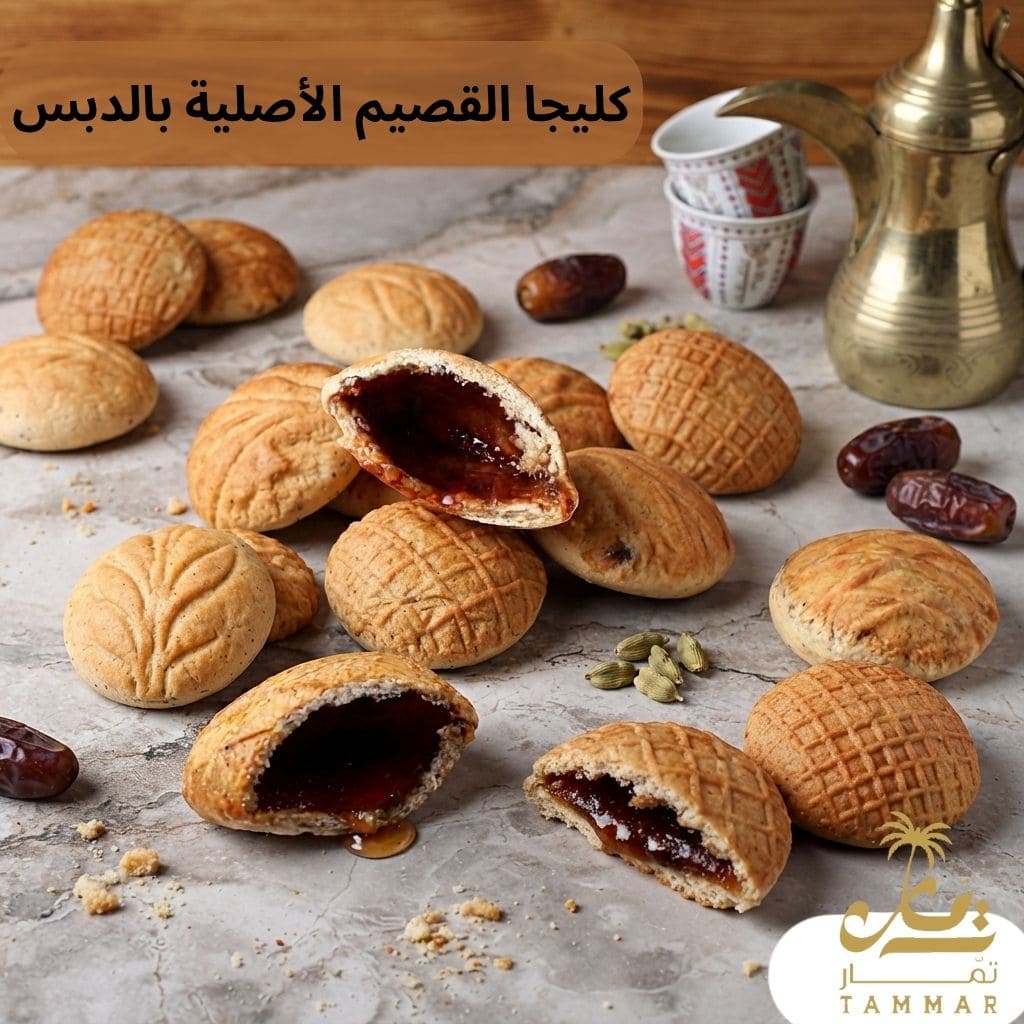
The streets and historic homes of the Qassim region are filled with an unmistakable aroma—a delightful blend of the warmth of ginger, the fragrance of cinnamon, the flavor of black lemon, the richness of date syrup, and the sweetness of traditional ghee. This aroma is not merely the result of ordinary cooking; it is a deeply inherited identity that tells the story of Qassim Kleija, the most famous traditional sweet in the heart of Najd and throughout the Kingdom of Saudi Arabia. Over the decades, Kleija has evolved from a warm traditional pastry prepared to withstand the harsh winter cold and provide sustenance for travelers crossing the desert, into a cultural and tourism symbol celebrated locally and internationally, ultimately becoming the undisputed queen of Najdi sweets.
In this comprehensive and detailed guide, we explore the finest details of this rich folk heritage, covering its history, the secrets behind its golden filling, the traditional home preparation method according to expert techniques, and the modern transformations that have introduced innovative shapes to satisfy the tastes of younger generations. We will also explain how to choose the finest freshly baked products made according to the highest quality standards from Tammar Store, your trusted destination for authentic heritage products.
What Is Qassim Kleija? Identity, Concept, and History
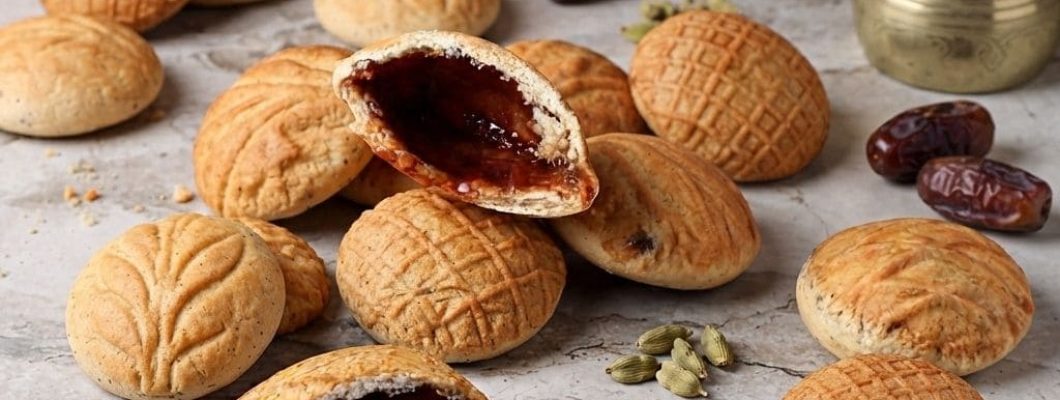
Qassim Kleija (also written by some as Qassimi Kleijah) is a round, golden, slightly puffed stuffed pastry made from pure whole-wheat flour. It is characterized by a crisp outer crust and an interior filled with a rich, sticky filling featuring spiced and caramelized flavors. It is not merely a baked good; it is a supreme symbol of Qassimi hospitality, traditionally served alongside Saudi coffee in majlis gatherings, traditional homes, and royal and official occasions.
Historical Roots and the Origin of the Name
Historical accounts vary regarding the origin of the name Kleija. While some heritage researchers believe that the name derives from an old word referring to measuring or to the mold used for baking, popular folklore tells a more spontaneous story passed down by mothers in Qassim. According to this story, a woman asked her daughter or daughter-in-law to “measure it,” referring to measuring the flour and preparing the baked goods for her guests. Over generations, the expression evolved into the word “Kleija.”
National heritage documents issued by the Saudi Culinary Arts Commission under the Ministry of Culture confirm that Buraydah and the governorates of Qassim, such as Unaizah, Ar Rass, and Al Mithnab, were the historical centers for the emergence and development of this distinctive traditional sweet. Today, the region has become associated with Saudi culinary heritage and its innovations involving palm trees, dates, and their derivatives, including authentic Saudi Kleija with its distinctive character.
Social Importance in Saudi Society
In the past, Kleija was not merely a recreational food; it was deeply connected to:
Winter provisions: It provided a high-calorie source of energy that helped create a feeling of warmth during cold Najdi nights, thanks to warming spices such as black pepper, ginger, and black lemon.
The bride’s trousseau: Mothers would prepare metal containers filled with Qassimi Kleija to be sent with the bride to her husband’s home as a symbol of generosity, social status, and the bride’s skill in traditional home cooking.
Provisions for travelers and pilgrims: Its ability to remain fresh for long periods without preservatives made it an ideal choice for the Uqailat caravans and travelers crossing the deserts of the Arabian Peninsula.
Read also: Luxury Date Maamoul Types from Tammar
The Kleija Festival in Buraydah: A Cultural, Tourism, and Economic Event
The importance of this traditional sweet is reflected in the annual specialized festival held in its honor. The Qassim Kleija Festival is considered one of the largest heritage festivals in the Kingdom and the Middle East. It is organized by the Qassim Chamber of Commerce and Industry in partnership with the Culinary Arts Commission and the regional municipality.
Empowering productive families and artisans: Hundreds of productive families and traditional bakeries participate in the festival each year, presenting their products directly to thousands of visitors from across Saudi Arabia, the Gulf countries, and beyond.
Digital and heritage promotion: The festival has contributed to the spread of hundreds of thousands of photos and documentation posts under Kleija images categories across social media platforms, helping make Kleija an ambassador for Saudi cuisine worldwide.
Vital economic impact: The festival generates sales estimated at millions of Saudi riyals, strengthening local supply chains involving palm farms, date syrup factories, and whole-wheat mills in the region.
The Taste Anatomy of Kleija: Ingredients and Craft Secrets
What makes Kleija unique and different from other types of Maamoul and traditional pastries? The secret lies in the harmony between two contrasting layers: a thin, toasted crust with a beautiful golden color and a dark, intensely flavored filling that combines sweetness with acidity and gentle warmth.
Main Dough Ingredients
Premium whole-wheat flour: Unrefined whole-wheat flour (Maiah wheat or Qassim wheat), which gives the dough its darker color, rich flavor, and crisp texture.
Fat: Traditional ghee or melted natural butter is preferred, giving the pastry its distinctive crispness and delicate crumbly texture.
Warm buttermilk or milk: Provides initial softness during kneading and a gentle crispness after baking.
A light pinch of salt, cinnamon, and turmeric: Adds a bright golden color and a subtle preliminary flavor.
The Secret of the Filling: The Authentic Najdi Flavor
The filling is the heart and soul of Kleija and traditionally relies on:
Date syrup or caramelized sugar: The finest traditional version is known as Date Syrup Kleija or Kleija with Syrup, where the syrup is extracted from premium Ikhlas or Sukkari dates to provide concentrated sweetness and a rich texture.
Black lemon (ground loomi): The secret ingredient that balances the sweetness of the sugar and adds a sharp acidity with an exceptional smoky aroma.
Ground dried ginger: Provides warmth and spice and must be carefully balanced so that it does not overpower the flavor.
Fine cinnamon and ground cardamom: Add fragrant oriental notes that emerge as soon as the crisp pastry is broken.
Read also: Date Paste Guide: Benefits, Uses, and Preparation Secrets
Key Differences: Traditional Kleija vs. Modern Styles
With changing times and evolving hospitality needs, Kleija is no longer limited to the traditional large shape. New shapes and sizes have emerged to suit buffet presentations, quick coffee gatherings, corporate gifts, and luxurious occasions.
| Comparison Aspect | Traditional Classic Kleija | Modern Mini Kleija |
|---|---|---|
| Size | Large discs about the size of a palm (8–12 cm) | Small bite-sized discs (3–4 cm) |
| Crust Thickness | Thin and puffed with a large air pocket | More compact and relatively soft crust that retains the filling |
| How It Is Eaten | Broken by hand and dipped into the escaping filling | Eaten whole as an easy-to-handle single piece |
| Serving Style | Traditional family gatherings and fire-side sessions | Wedding hospitality, offices, and business conferences |
| Popular Demand | Older generations and lovers of authentic classic flavors | Younger generations, formal occasions, and gifts |
The Rise of Mini Kleija
Demand for Mini Kleija and Kleija Mini has recently increased. These delightful small pastries allow consumers to enjoy the refined flavor of Kleija Sweet without worrying about excessive calorie intake. In addition, Small Kleija is a clean and elegant option that helps prevent date syrup from falling onto clothes or luxurious tablecloths while enjoying coffee in sophisticated gatherings.
How to Make Authentic Qassim Kleija: Step-by-Step Method and Secrets
Many women and traditional-cooking enthusiasts wonder about the Kleija recipe that produces the same texture found in famous Qassimi bakeries: a hollow puffed shape, a moist filling that is not dry, and a crust that is not hard. Here, we present the Qassim Kleija recipe with professional precision inspired by traditional bakeries.
Ingredients and Quantities (Makes 20–25 Large Pieces)
First: Dough Ingredients
3 cups lightly sifted dark whole-wheat flour.
1 cup premium white flour (to provide flexibility and strength so the dough does not tear during puffing).
½ cup traditional ghee or natural butter (at room temperature).
¼ cup light corn oil.
1 teaspoon instant yeast.
¼ teaspoon salt.
1 teaspoon sugar.
½ teaspoon ground cardamom and turmeric (to create an attractive golden color).
Warm water or warm buttermilk for kneading (approximately 1 to 1¼ cups, depending on the type of flour).
Second: Ingredients for Qassim Date Syrup Kleija Filling
1 cup fine brown sugar or cane sugar.
½ cup concentrated natural Date Syrup Kleija filling.
1½ tablespoons dried black lemon (loomi), deseeded, very finely ground, and sifted.
1 tablespoon freshly ground cinnamon.
1 tablespoon hot ginger powder.
½ teaspoon fine cardamom.
¼ teaspoon finely ground black pepper (the secret to the authentic Najdi aroma).
Third: For Brushing the Surface
2 egg yolks mixed with 1 teaspoon of milk, a few drops of vinegar, and a pinch of cardamom to eliminate any eggy smell.
Preparation Steps (Qassim Kleija Method Step by Step)
1. Preparing and Rubbing the Dough
In a large, deep bowl, combine the whole-wheat flour with the white flour, salt, sugar, turmeric, and cardamom.
Add the traditional ghee and oil, then thoroughly rub the ingredients with your fingertips (the traditional “bass” technique) until every grain of flour has absorbed the fat and the mixture resembles wet sand. This step is responsible for the crispness of the outer crust.
Dissolve the yeast in a small amount of warm water, then gradually add it to the flour while pouring in the remaining water or buttermilk. Knead gently by hand until a cohesive, relatively soft dough forms that does not stick to the bowl.
Cover the dough with a damp cloth and let it rest in a warm place for only 30–45 minutes. We do not want full bread-like fermentation, but simply enough resting time for the gluten to relax.
2. Preparing the Filling Mixture
In a dry bowl, thoroughly mix the dry ingredients: sugar, black lemon, cinnamon, ginger, cardamom, and black pepper.
Gradually add the date syrup and rub it into the dry ingredients until the mixture becomes a thick paste resembling soft, glossy clay. Alternatively, it can be left as sugar granules moistened with syrup and spices, depending on the preferred method.
3. Shaping and Stuffing
Divide the dough into equal-sized balls—walnut-sized for mini discs or fist-sized for traditional large discs.
Take each ball and hollow it out with your thumb from the inside, creating a small bowl or hollow cap with edges slightly thinner than the base.
Place a heaping tablespoon of filling in the center of the cavity.
Seal the dough tightly by bringing the edges upward and pressing them together to prevent the date syrup from leaking during baking. Then gently roll it again between the palms of your hands.
4. Stamping with the Traditional Wooden Mold
Place the stuffed ball on the work surface and gently press it with your hand to flatten it slightly.
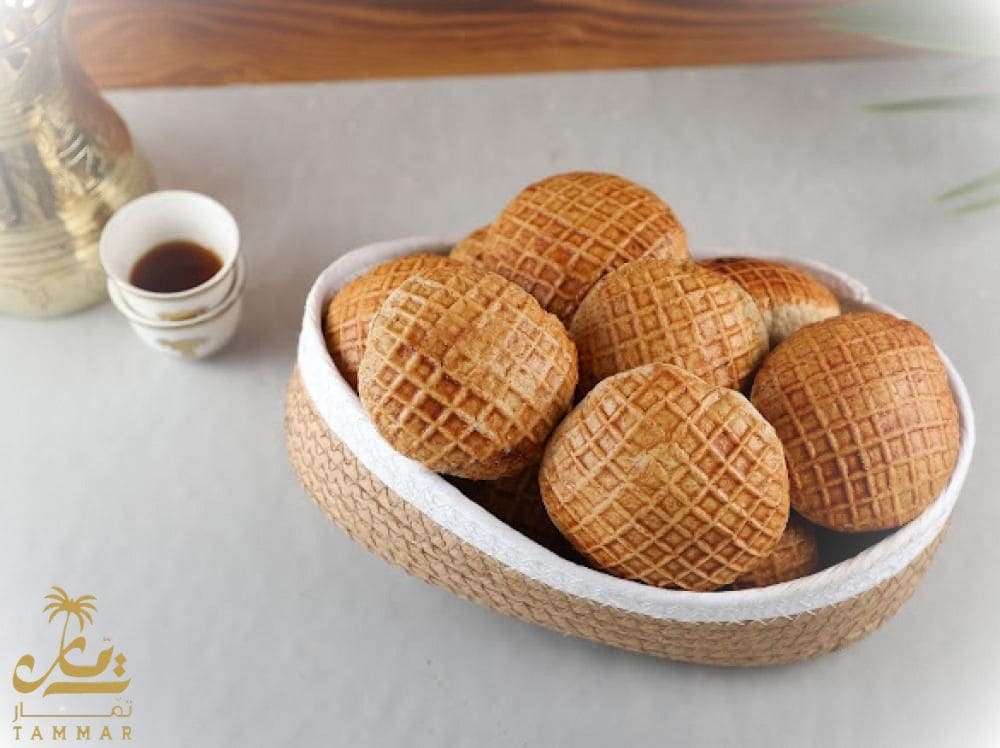
Use the traditional wooden “Kleija mold,” decorated with a pattern of squares or intersecting circles, and press it firmly but evenly onto the surface of the pastry to create the distinctive pattern seen in the most famous Qassim Kleija images.
Brush the tops with egg yolk using a soft brush to give them a glossy finish and an attractive golden color.
5. Baking and Temperature Secrets (Professional Technique)
High temperature: Preheat the oven to the highest possible temperature, between 220 and 240°C.
Bottom heating first: Place the trays on the lower or middle rack with heat coming primarily from below. During the first six minutes, the sugar and date syrup begin to boil inside the dough, generating concentrated steam that pushes the dough upward, causing it to puff into a rounded hollow shape.
Browning: Once the base is cooked, the dough has dried and puffed, turn on the top grill to give the Kleija a glossy dark golden-brown color.
Cooling: Carefully remove the trays and allow them to cool completely before touching or moving the pastries so that the delicate crust can firm up and the hot syrup filling can settle at the bottom.
Read also: Uses of Date Syrup: The Comprehensive Guide
The Etiquette of Serving Qassim Kleija in Najdi Gatherings
Kleija has traditionally been associated with special hospitality customs throughout Najd and Saudi Arabia:
The Eternal Companion: Kleija is never served alone. It is traditionally accompanied by a pot of Saudi coffee prepared with cardamom, saffron, and cloves. The bitterness of the coffee balances the sweetness of the sugar and date syrup and the warmth of the spices.
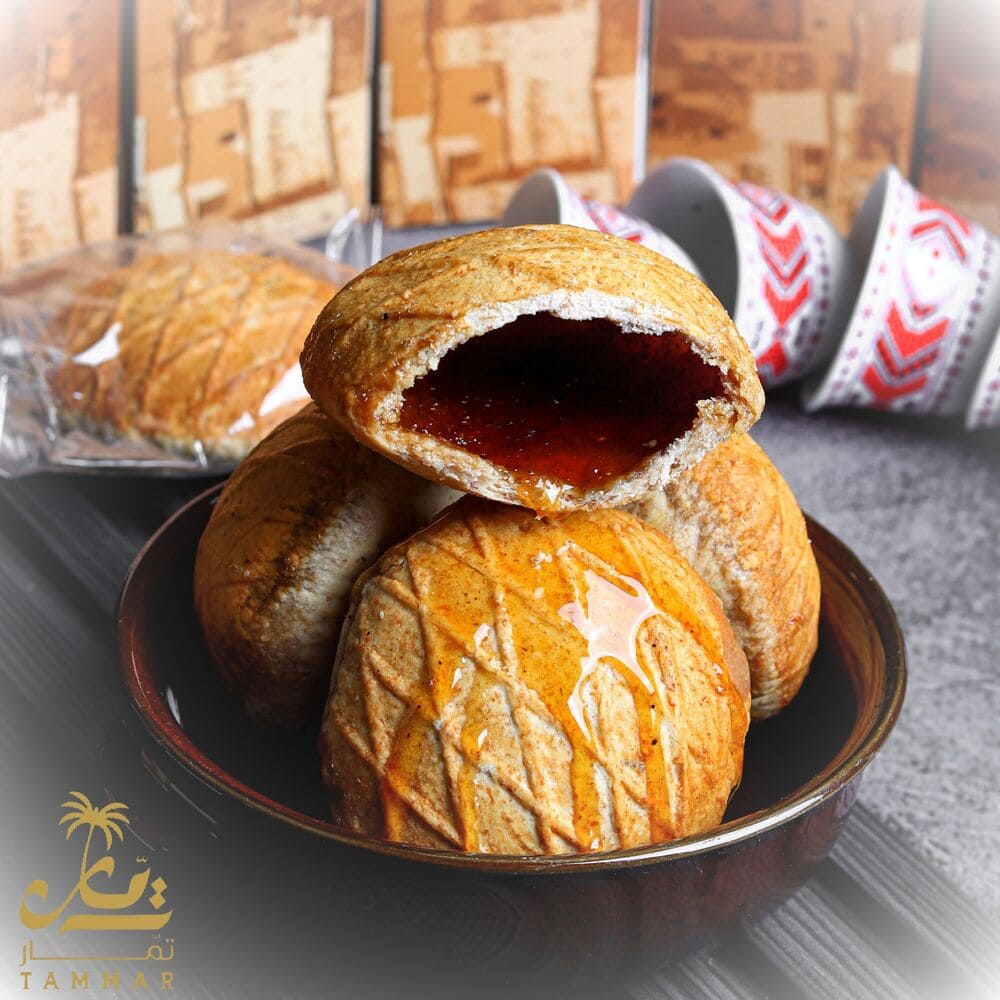
The Classic Way of Eating It: The large pastry is held with both hands and gently broken in the middle so that guests can hear its delightful crispness and enjoy the aroma of the fragrant filling. A piece of the crispy crust is then taken and dipped into the sticky caramelized date syrup remaining at the bottom of the pastry.
Traditional Serving Ware: The pastries are arranged in woven palm-leaf serving vessels such as traditional baskets, or in elegant copper and wooden trays that reflect the authenticity of the Saudi home.
Nutritional Value and Health Benefits of Date Syrup Kleija
Although it is a concentrated winter sweet, its natural raw ingredients can provide nutritional qualities when consumed in moderation as part of a balanced lifestyle:
Rich in fiber and minerals: Thanks to the use of unrefined whole-wheat flour, which supports bowel movement and helps maintain a feeling of fullness.
Natural energy from date syrup: Date syrup contains rapidly and slowly digested sugars, as well as minerals such as potassium, magnesium, and iron that help protect against fatigue and exhaustion.
Antioxidants and warming properties: Ginger, cinnamon, and black lemon provide a range of antioxidant and anti-inflammatory compounds that may support circulation and the body's natural defenses during the winter season.
Buying Guide: How to Distinguish Authentic Kleija from Poor-Quality Products
Many lovers of authentic flavors ask: Where can I find the best Kleija in Qassim? And what signs indicate a high-quality product?
Free from hydrogenated oils: Poor-quality baked goods often rely on cheap hydrogenated oils that leave a greasy or rancid aftertaste, whereas premium bakeries use natural ghee and pure butter.
No burnt or dried filling: If the filling is dry and hardened, this may indicate unsuitable heat, insufficient syrup, or excessive baking time. The ideal filling should be soft, rich, and have the consistency of thick caramel.
Thin, hollow crust: A dense or doughy Kleija interior indicates that the dough failed to puff properly due to insufficient heat or an imbalance in fermentation and rubbing techniques.
Proper airtight packaging: Since Kleija is sensitive to moisture, it should be packed in tightly sealed, airtight containers to protect its golden crispness.
Read also: The Complete Khalas Dates Guide: Benefits, Nutritional Value, and Differences
Why Tammar Store Is Your Ideal Destination for Buying Authentic Qassim Kleija
If you are looking for authentic Najdi flavor baked according to the highest standards of quality and hygiene, with the same taste reminiscent of traditional mud-brick homes and the ovens of mothers in Qassim, Tammar Store is undoubtedly one of your most reliable choices.
Freshly baked products every day: Tammar Store carefully prepares premium Qassim Heritage Kleija Shabiyat selections by skilled bakers who have mastered the secrets of this traditional craft, allowing them to reach your home fresh and crispy as if they had just come out of the oven.
100% natural ingredients: No preservatives or artificial flavors are used. Pure local whole-wheat flour, the finest Qassim Date Syrup Kleija made from premium Qassim dates, and fresh spices ground daily are used.
A wide variety of options for everyone: Whether you love the classic generously stuffed pastry or are looking for elegant Mini Kleija boxes for distinguished hospitality and impressive gifts, Tammar Store offers a unique selection that brings together Date Syrup Kleija, traditional Maamoul, and various Kleija Heritage products to satisfy different tastes.
Elegant and modern packaging: Tammar Store presents traditional heritage sweets in sophisticated packaging carefully designed to preserve the crispness of the pastries for as long as possible, making them an elegant Saudi heritage gift ideal for national occasions, holidays, and high-level business gatherings.
Fast and safe delivery across the Kingdom: Whether you are in Riyadh, Jeddah, Dammam, Makkah, Madinah, or any other region of Saudi Arabia, Tammar products are delivered as quickly as possible while maintaining high standards of safety and food handling.
Treat your senses and taste the fragrance of history: Do not miss the opportunity to experience authentic Najdi heritage. Order now through Tammar Store and enjoy, with your family and guests, the finest fresh Qassim Kleija accompanied by premium Saudi coffee!
How to Store and Preserve Kleija to Keep It Crispy and Fresh
Many Kleija lovers purchase large quantities to enjoy throughout the winter season. To ensure that they retain the same quality and flavor, the following guidelines are recommended:
Airtight metal or glass containers: After opening the original package, transfer the pastries to an airtight container and place parchment paper between the layers to absorb excess moisture.
Keep away from sunlight and heat: Store the containers in a cool, dry kitchen cabinet away from heat sources and strong odors, as the dough quickly absorbs surrounding aromas.
Reheating before serving: To revive the fresh bakery flavor, place the pastry in a preheated oven for only two to three minutes. This restores its exceptional crispness and gently melts the date syrup filling again for an irresistible taste.
Read also: Types of Saudi Dates: Your Comprehensive Guide
Frequently Asked Questions About Qassim Kleija (FAQs)
What Is the Real Difference Between Kleija and Maamoul?
Maamoul is typically made from semolina or white flour with butter. It has a soft, melt-in-the-mouth texture and is usually filled with mashed date paste. Kleija, on the other hand, is made from dark whole-wheat flour and ghee and is characterized by its crisp, puffed crust and caramelized, fluid or sticky filling made from date syrup or sugar combined with black lemon, ginger, and spices.
Why Is Kleija Hollow and Empty Inside?
The distinctive hollow interior is caused by the expansion of water vapor generated by the boiling of sugar and date syrup inside the high-temperature oven. The hot steam pushes the thin whole-wheat dough upward, causing it to puff and form an air pocket, while the sticky filling settles at the bottom of the pastry.
How Long Does Natural Kleija Last?
Thanks to its low moisture content and the presence of sugar and natural spices that act as natural preservatives, properly stored Kleija can remain suitable for consumption for approximately 3 to 6 months when kept in a cool, dry place, provided that it is protected from moisture and air.
Is Kleija Available Without White Sugar or for People with Diabetes?
Yes. Leading bakeries and premium heritage stores such as Tammar Store offer varieties made entirely with natural Date Syrup Kleija without adding refined sugar, making them a more moderate alternative for those who prefer natural sweeteners. However, portion control is always important and should be consistent with the recommendations of a qualified healthcare professional.
Where Can I Find the Best Ready-to-Deliver Kleija in Saudi Arabia?
Tammar Store is one of the leading choices for a wide range of the best Qassim Kleija, combining authentic traditional flavor, excellent hygiene, and modern packaging. It offers classic Kleija as well as premium Mini Kleija, with delivery directly to your doorstep throughout the Kingdom.
Conclusion: A Timeless Heritage Passed Down Through Generations
Qassim Kleija is not merely a type of sweet; it is a heritage story that embodies the generosity of the Najdi people and their historical ability to create remarkable flavors from the resources of their desert environment—the wheat of their land, the dates of their palm trees, and the spices brought by their traders and caravans. This sweet has successfully transcended geographical boundaries and captivated the tables of Saudis, Gulf communities, and people around the world, while preserving its authentic spirit and historic wooden patterns.
Whenever you crave that warm flavor that brings the family together around a traditional coffee pot, always remember that quality makes the difference. Choosing an authentic, fresh product prepared with skill and care is the true secret to enjoying the fragrance of Qassim and the magic of its rich traditions. This is the commitment of Tammar Store, bringing heritage to you in its finest and most luxurious form.


Leave a Comment