
Table of Contents
Dates in the Quran and the Prophetic Sunnah
Etiquette and Methods of Eating Dates According to Prophetic Guidance
The Sunnah of Breaking the Fast with Dates and Recommended Times
The Virtues of Ajwa Dates and Eating Seven Dates in the Morning
Dates and Milk in the Sunnah, Charity, and Tahneek
What Did Ibn al-Qayyim Say About Dates in Zad al-Ma'ad?
The Scientific Significance of Dates in the Sunnah and Modern Research
Comparison Table of Date Varieties and Their Nutritional Characteristics
Tammar Store: Your First Choice for Premium Dates in Saudi Arabia
Frequently Asked Questions About the Sunnah of Eating Dates
Sources and References
The Sunnah of eating dates is more than a dietary practice. It represents a way of life in which religious guidance and contemporary scientific knowledge come together to highlight the blessings of this fruit and its nutritional value.
In this comprehensive article, we explore the Sunnah of eating dates, their significance in the Prophetic Sunnah and the Holy Quran, the correct way to eat dates according to Prophetic teachings, the etiquette of removing date pits, the relationship between dates and milk in the Sunnah, and scientific research related to dates in Islam.
Finally, we introduce a modern destination for discovering premium-quality dates through Tammar Store.
First: Dates in the Quran and the Prophetic Sunnah
Before exploring the rulings and etiquette associated with eating dates according to the Sunnah, it is important to understand the special status that date palms and their fruits hold in the Holy Quran and the teachings of Prophet Muhammad (peace and blessings be upon him).
1. Dates in the Holy Quran
Date palms and their fruits, including fresh dates and dried dates, are mentioned in several passages of the Quran, reflecting the blessings God has bestowed upon humanity through this remarkable tree.
The story of Mary (peace be upon her): Allah says: “And shake toward you the trunk of the palm tree; it will drop upon you ripe, fresh dates.” (Surah Maryam, 19:25). Fresh dates are mentioned as nourishment for Mary during childbirth.
A blessing of fruit: Allah also says: “And lofty palm trees having fruit arranged in layers.” (Surah Qaf, 50:10).
2. Dates in the Life of the Prophet's Household
Dates were a staple food in the household of Prophet Muhammad (peace and blessings be upon him) and among his companions.
It was narrated by Aisha (may Allah be pleased with her) that the Prophet said: “A household in which there are dates will not go hungry.” (Narrated by Muslim.)
Another narration states: “O Aisha, a household without dates is hungry.” (Narrated by Muslim.)
Aisha also described the simplicity of their lives, saying that the family of Muhammad could go a month without lighting a fire, subsisting on dates and water. (Narrated by Muslim.)
These noble narrations illustrate that dates were not simply an occasional food choice. They were a fundamental part of the diet of early Muslims because of their nutritional value and ease of storage.
Related article: Dates with the Lowest Sugar Content
Second: Etiquette and Methods of Eating Dates According to Prophetic Guidance
The Prophetic Sunnah of eating dates is discussed alongside broader principles of food etiquette and behavior transmitted by the Prophet's companions. These teachings reflect values of cleanliness, moderation, and respect for food.
1. How to Eat Dates According to the Sunnah
Prophetic teachings concerning eating dates can be understood alongside general Islamic guidelines for eating.
Eating with the right hand: Begin by saying “Bismillah” (In the name of Allah) and eat with the right hand.
Moderation and care: Eat mindfully and avoid excessive consumption that may cause digestive discomfort.
2. The Etiquette of Removing Date Pits
Among the details discussed in traditional accounts of food etiquette is the proper way to remove date pits while eating. These practices emphasize cleanliness and consideration for others when sharing food.
Traditional etiquette recommends placing the pit on the backs of the index and middle fingers or disposing of it discreetly rather than dropping it directly from the mouth into the palm used for handling food. This practice is intended to maintain cleanliness and show consideration for others at the table.
Third: The Sunnah of Breaking the Fast with Dates and Recommended Times
Dates have a close connection with Islamic worship, particularly fasting. The Sunnah of breaking the fast with dates is one of the best-known practices associated with Ramadan.
1. Breaking the Fast with Fresh or Dried Dates
Anas ibn Malik (may Allah be pleased with him) reported that the Messenger of Allah (peace and blessings be upon him) would break his fast with fresh dates before performing the prayer. If fresh dates were unavailable, he would eat dried dates; if those were unavailable, he would drink a few sips of water.
(Narrated by Abu Dawud and al-Tirmidhi; authenticated by al-Albani.)
This narration establishes the following order for breaking the fast:
Fresh dates (rutab): Preferred when available.
Dried dates (tamr): An alternative when fresh dates are unavailable.
Water: An alternative when neither fresh nor dried dates are available.
This Prophetic guidance highlights the traditional importance of dates as a food for breaking the fast.
2. The Number of Dates in the Sunnah and the Practice of Eating an Odd Number
Many people ask how many dates should be eaten according to the Sunnah and whether a specific number is required.
Eid al-Fitr: It is established that the Prophet would eat an odd number of dates before leaving for the Eid prayer. Anas (may Allah be pleased with him) reported that the Messenger of Allah would not leave on the morning of Eid al-Fitr until he had eaten some dates, eating them in an odd number. (Narrated by al-Bukhari.)
Breaking the fast during Ramadan: There is no established text requiring Muslims to eat exactly three or five dates when breaking their fast. Eating an odd number may be practiced as a general preference, but a specific number should not be treated as an obligatory condition.
Related article: A Guide to the Benefits of Medjool Dates
Fourth: The Virtues of Ajwa Dates and Eating Seven Dates in the Morning
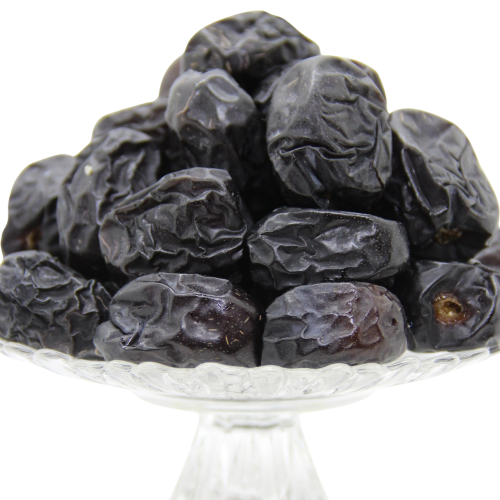
Ajwa dates from Madinah hold a special place in Islamic tradition because of the virtues mentioned in the Prophetic Sunnah.
The Virtue Mentioned in the Hadith
Sa'd ibn Abi Waqqas (may Allah be pleased with him) reported that the Messenger of Allah (peace and blessings be upon him) said:
“Whoever eats seven Ajwa dates every morning will not be harmed by poison or magic on that day.” (Narrated by al-Bukhari and Muslim.)
Another narration in Muslim states that whoever eats seven dates from the area between the two lava fields of Madinah in the morning will be protected from poison until evening.
Scholarly Views on Ajwa Dates and Other Varieties
A number of scholars have held that this particular virtue applies specifically to Ajwa dates from Madinah, in light of the hadith and the blessings associated with the place.
Other scholars have considered the possibility that the virtue of eating seven dates in the morning may extend to other date varieties.
Religious virtues described in hadith should be understood within their proper religious context. They do not remove the need for medical care, treatment, or appropriate action in cases of illness or poisoning.
Ajwa dates remain a popular choice for people seeking to incorporate traditional Islamic practices into their daily routines.
Fifth: Dates and Milk in the Sunnah, Charity, and Tahneek
The use of dates in Islamic tradition extends beyond everyday nutrition to social practices, charity, and welcoming newborn children.
1. Combining Dates and Milk
Dates and milk can be combined to create a nourishing food. Dates provide carbohydrates and dietary fiber, while milk contributes protein, fat, and other nutrients.
Together, they can form a satisfying snack or meal component, combining the natural sweetness of dates with the nutritional contribution of milk.
Related information: Sugars | What Are Proteins?
2. Tahneek: Applying a Softened Date to a Newborn's Palate
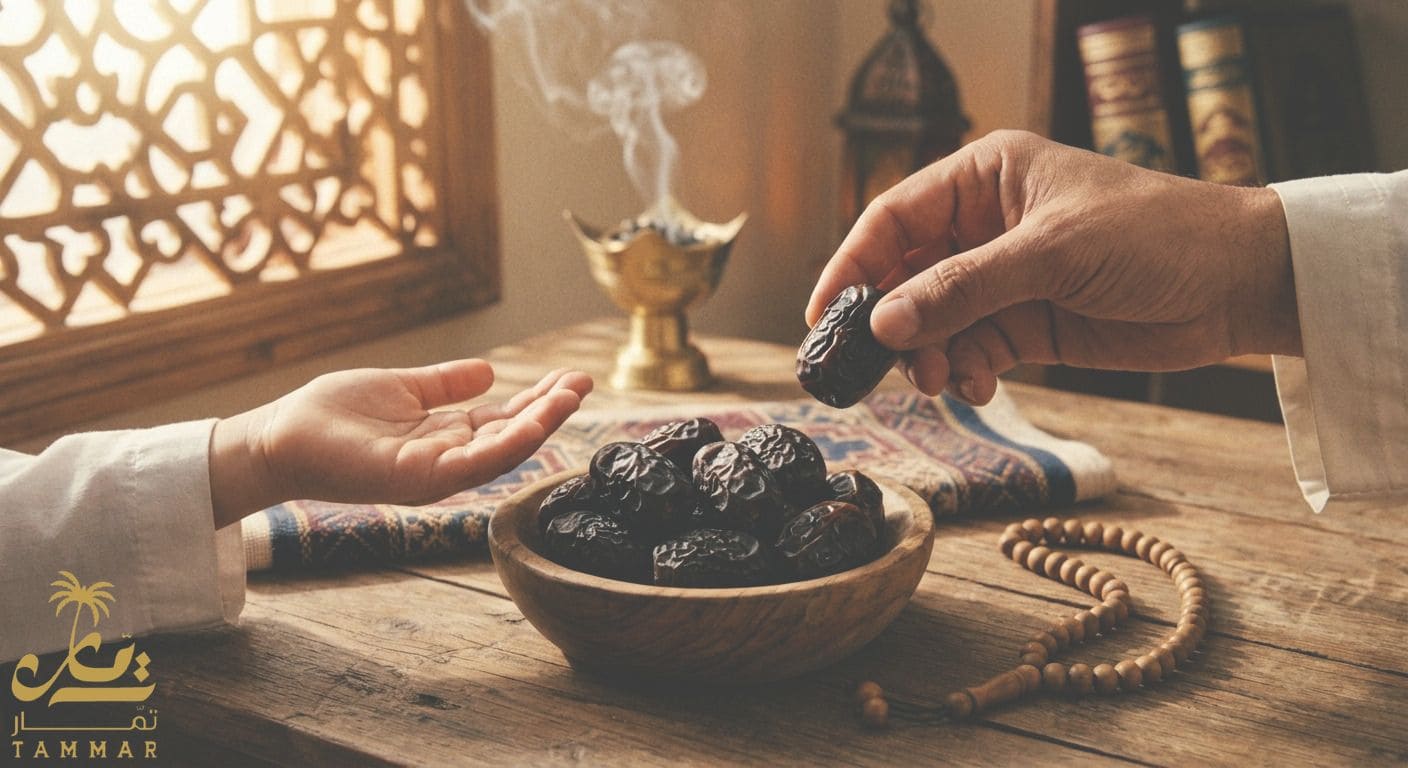
Abu Musa al-Ash'ari (may Allah be pleased with him) reported that a son was born to him, so he brought the child to the Prophet (peace and blessings be upon him). The Prophet named him Ibrahim, performed tahneek with a date, and prayed for blessings for him. (Narrated by al-Bukhari.)
Tahneek refers to the traditional practice of softening a date and applying it to a newborn's palate. Although this practice is recognized in Islamic tradition, a newborn's medical safety must always be considered. Parents should seek appropriate medical advice before giving a newborn any food.
3. Dates in Charity and Zakat al-Fitr
Dates also feature prominently in Islamic teachings on generosity and charitable giving.
The virtue of charity: The Prophet (peace and blessings be upon him) said: “Protect yourselves from the Fire, even with half a date.” (Narrated by al-Bukhari and Muslim.)
Zakat al-Fitr: Ibn Umar (may Allah be pleased with them both) reported that the Messenger of Allah prescribed Zakat al-Fitr as one sa' of dates or one sa' of barley. (Narrated by al-Bukhari and Muslim.)
These narrations illustrate the significance of dates in both everyday life and religious practice.
Sixth: What Did Ibn al-Qayyim Say About Dates in Zad al-Ma'ad?
The scholar Ibn Qayyim al-Jawziyya (d. 751 AH) discussed the properties of dates in his well-known book, Zad al-Ma'ad fi Hady Khayr al-'Ibad (Provisions of the Hereafter in the Guidance of the Best of Servants).
His discussion highlights the role of dates as food and their importance in the daily life of the people of Madinah.
Fruit, food, and nourishment: Ibn al-Qayyim described dates as a fruit, a food, a remedy, a drink, and a sweet. His discussion emphasizes the many traditional uses of dates and their nutritional importance.
A staple food in Madinah: He explained that dates were a principal food for the people of Madinah, while fresh dates were enjoyed as fruit.
The wisdom of breaking the fast with dates: Ibn al-Qayyim discussed the benefits of breaking the fast with dates, explaining that their sweetness provides nourishment after a period without food.
Related article: The Difference Between Sukkari Galaxy Dates and Maftul Dates
Seventh: The Scientific Significance of Dates in the Prophetic Sunnah and Modern Research
The traditional importance of dates in Islamic teachings can be explored alongside contemporary nutritional research. Modern studies have examined the nutritional composition of dates and their potential contribution to a balanced diet.
1. The Remarkable Nutritional Value of Dates
Naturally occurring sugars: Dates contain carbohydrates, including glucose and fructose, which provide the body with energy.
Dietary fiber: Dates contain fiber, which supports normal bowel function and can help maintain digestive health.
Minerals: Dates provide minerals such as potassium and magnesium, as well as smaller amounts of other nutrients that contribute to normal bodily functions.
The nutritional composition varies according to the date variety, ripeness, moisture content, and serving size.
2. Prophetic Guidance and Modern Nutrition
From a nutritional perspective, dates can be a convenient food for breaking a fast because they provide carbohydrates and are easy to consume.
Eating a moderate amount of dates, followed by water and a balanced meal, may help replenish energy after fasting. However, individual nutritional needs vary, and people who need to monitor their blood sugar should take their overall carbohydrate intake into account.
The traditional practice of beginning iftar with fresh or dried dates therefore offers an opportunity to combine a familiar religious custom with mindful eating.
Eighth: Comparison Table of Date Varieties and Their Nutritional Characteristics
The following table compares four popular date varieties and their general characteristics.
| Date variety | General sugar characteristics | Texture and characteristics | Suggested occasions |
|---|---|---|---|
| Ajwa dates | Contain naturally occurring sugars | Dark-colored, soft, and traditionally valued in Islamic culture | Morning consumption and traditional religious practices |
| Fresh dates (Rutab) | Sugar content varies with ripeness | Very soft and moist | Breaking the fast and enjoying seasonal fruit |
| Sukkari / Khalas dates | Naturally sweet, with composition varying by variety and ripeness | Soft to semi-dry, with a distinctive sweet taste | Serving with Saudi coffee and during gatherings |
| Medjool dates | Naturally sweet and rich in carbohydrates | Large fruit with a soft, fleshy texture | Snacks, hospitality, and energy-rich meals |
Note: The table provides general descriptions rather than laboratory measurements. Sugar content and nutritional values vary by variety, ripeness, and storage conditions.
Tammar Store: Your First Choice for Premium Dates in Saudi Arabia
To enjoy the traditional significance of dates while experiencing authentic flavors and carefully selected quality, Tammar Store offers a selection of premium Saudi dates chosen for their quality, taste, and suitability for everyday consumption and hospitality.
Why Choose Tammar Store?
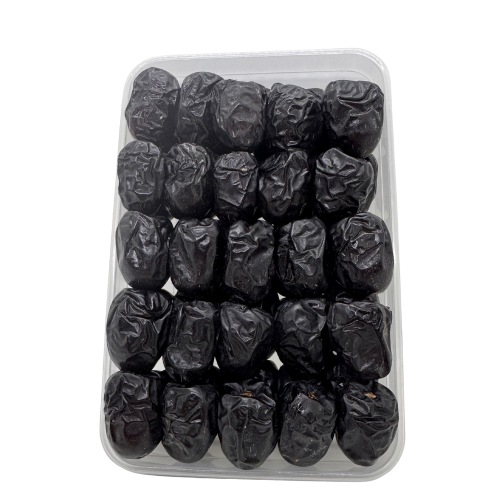
Premium Ajwa dates: Discover Ajwa dates from Madinah, a traditional choice for those who wish to follow the practice of eating seven Ajwa dates in the morning.
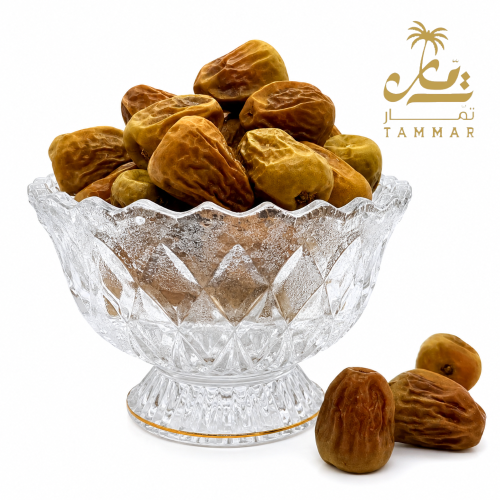
A diverse selection of premium dates: Explore popular varieties, including Sukkari dates, Khalas Qassim dates, and premium Medjool dates.
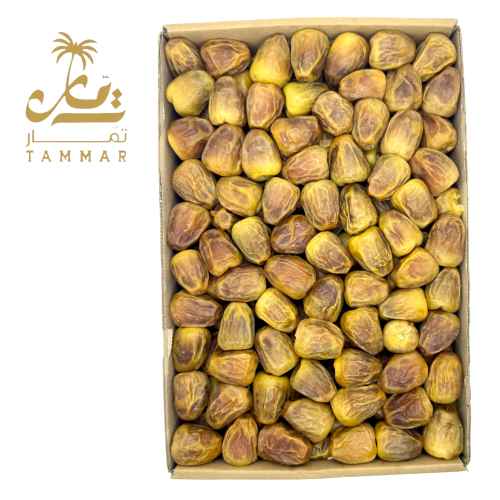
Convenient delivery and packaging: Discover dates packaged to help preserve their quality and authentic flavor.
Whether you are preparing for Ramadan, welcoming guests, serving dates with Saudi coffee, or looking for a thoughtful gift, Tammar Store offers a convenient way to explore premium dates.
Visit Tammar Store today to discover exclusive offers and explore our selection of premium dates.
Tammar Store — Premium Dates and Hospitality
Discover authentic Saudi dates, carefully selected for their flavor and quality.
Shop now: https://tammar-dates.com/best-sellers
Frequently Asked Questions About the Sunnah of Eating Dates (FAQs)
1. Is it necessary to eat seven dates every day?
The number seven is specifically mentioned in the hadith concerning eating seven Ajwa dates in the morning. For other occasions, there is no general requirement to eat exactly seven dates. The matter is flexible, and eating an odd number may be followed as a general preference rather than an obligation.
Discover Ajwa dates from Madinah.
2. What is the difference between fresh dates and dried dates in the Sunnah?
Fresh dates, known as rutab, are dates at a soft and moist stage of ripeness before they become fully dried. According to the well-known narration about breaking the fast, fresh dates are preferred when available. Dried dates, known as tamr, are an alternative and are generally more suitable for longer storage.
3. Can any variety of dates be used to follow the Sunnah of breaking the fast?
Yes. The practice of breaking the fast with dates can be followed using available date varieties. The narration describes a preference for fresh dates first, followed by dried dates and then water if dates are unavailable.
4. What is the recommended etiquette for removing a date pit while eating?
The article describes traditional food etiquette that recommends avoiding placing a date pit in the same palm used to handle food. Instead, the pit may be placed on the backs of the fingers or disposed of discreetly to maintain cleanliness.
5. Are dates nutritious?
Yes. Dates contain naturally occurring sugars, carbohydrates, dietary fiber, and minerals such as potassium and magnesium. Their nutritional composition varies by variety and ripeness. They can be included in a balanced diet, with portion size adjusted to individual nutritional needs.
6. Where can I buy premium dates in Saudi Arabia?
You can explore a selection of premium date varieties through Tammar Store, including Sukkari, Khalas, Medjool, and Ajwa dates, subject to availability.
Sources and References
Sahih al-Bukhari — Chapters on food, medicine, fasting, Eid, and Zakat.
Sahih Muslim — Chapters on drinks, asceticism, and descriptions of the Hereafter.
Sunan Abi Dawud and Jami' al-Tirmidhi — Narrations concerning breaking the fast with fresh and dried dates.
Zad al-Ma'ad fi Hady Khayr al-'Ibad — By Ibn Qayyim al-Jawziyya.
Islam Question & Answer — Religious discussions concerning Ajwa dates, tahneek, and the etiquette of eating.
Leave a Comment