

Article Contents
- Understanding the sugar composition of dates: glucose, fructose, and sucrose
- Glycemic Index (GI) and Glycemic Load (GL) of dates
- Detailed list: Which dates are lowest in sugar?
- Approximate comparison table of sugar content and glycemic index
- Fiber and nutrients: Allies in blood sugar control
- Golden rules for eating dates for people with diabetes and those following diets
- How to choose premium, high-quality dates
- Frequently Asked Questions about the lowest-sugar dates (FAQ)
Dates are among the most beloved fruits in Arab and Eastern cultures, not only because of their unique taste and historical and religious significance, but also because of their high nutritional value. With growing health awareness and increasing rates of diabetes and weight gain, many people are wondering how they can continue enjoying dates while maintaining healthy blood sugar levels.
Searching for the lowest-sugar dates is not simply a choice for people following strict diets; for many individuals, it is an important health consideration when seeking a balance between energy and nutrients without placing unnecessary strain on the pancreas or causing sudden spikes in blood glucose levels.
In this detailed article, we will explore the science behind the sugars found in dates and explain how to identify the lowest-sugar date varieties, while highlighting key differences between varieties, dietary approaches that may suit each type, and smart ways to incorporate dates into your daily lifestyle.
Read also: A Guide to the Benefits of Medjool Dates
Understanding the Sugar Composition of Dates: Glucose, Fructose, and Sucrose
To determine which are the lowest-sugar dates, it is important first to understand the chemical composition of the sugars naturally found in dates. Not all sugars in dates are the same. They are mainly present in three forms:
- Fructose (fruit sugar): Fructose is a simple sugar that is primarily processed by the liver and does not require insulin to enter cells in the same way as glucose. This can result in a less rapid rise in blood sugar compared with glucose, although excessive fructose consumption can still affect liver and metabolic health.
- Glucose: Glucose is a primary sugar that the body rapidly absorbs and uses for energy. It has a direct effect on increasing blood glucose levels.
- Sucrose: Sucrose is a disaccharide commonly known as table sugar. It can be present in relatively high amounts in some date varieties at certain stages of ripeness and is broken down during digestion into glucose and fructose.
The proportions of these sugars vary depending on:
- Date variety: Some varieties naturally have relatively moderate or lower levels of total sugars.
- Ripeness stage: Dates progress through different stages, from khalal to rutab and finally tamr. Total sugar concentration generally increases while water content decreases as the fruit moves from the rutab stage to the fully ripe tamr stage.
Glycemic Index (GI) and Glycemic Load (GL) of Dates
When evaluating foods for people with diabetes, some people focus only on the total amount of sugar. However, two other important concepts are:
- Glycemic Index** (Glycemic Index - GI): This measures how quickly a food raises blood glucose compared with pure glucose, which has a GI value of 100. A food is generally considered low GI when its value is 55 or below.
- Glycemic Load (Glycemic Load - GL): This takes into account both the food's glycemic index and the actual portion consumed.
Published studies in nutrition and medical journals indicate that many date varieties have a relatively low to moderate glycemic index. This is partly attributed to their dietary fiber and other compounds, which can slow the digestion and absorption of carbohydrates.
Read also: Benefits of Eating Dates on an Empty Stomach
Detailed List: Which Date Varieties Are Lowest in Sugar?
Date varieties differ in their sugar content. Below are some varieties commonly described as having moderate sugar levels or relatively lower glycemic responses compared with certain other varieties:
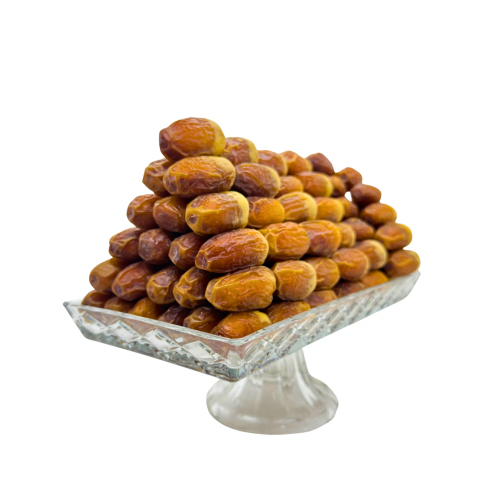
1. Sagai Dates
Sagai dates are characterized by their distinctive two-tone appearance, with a golden upper section and reddish-brown lower section, as well as their unique texture. They are a popular choice among people looking to moderate their sugar intake, while providing natural sugars along with dietary fiber.

2. Ajwa Dates
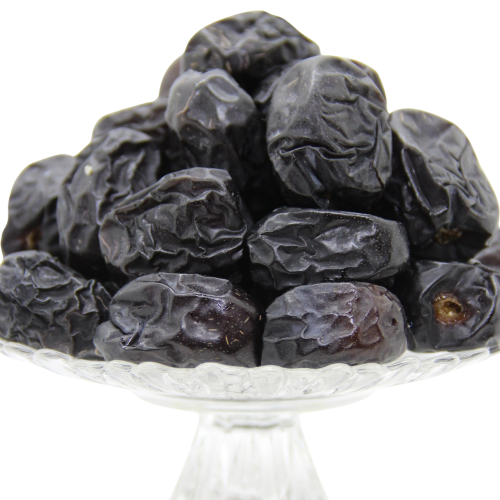
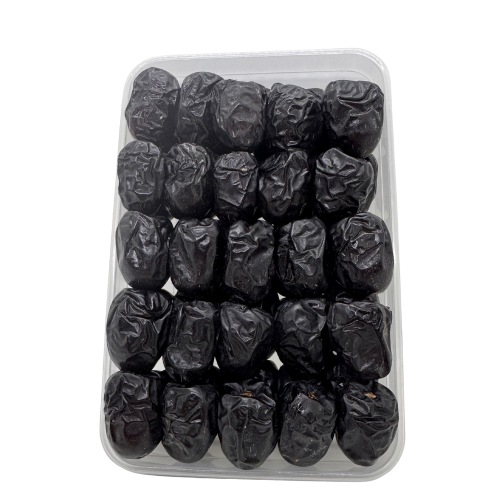
Ajwa dates from Medina are not only known for their historical significance, but they are also valued for their antioxidants and dietary fiber. These components can contribute to a more moderate effect on blood glucose compared with some other foods. Their total sugar content is moderate, with naturally occurring fructose and glucose accompanied by plant fiber.
3. Khudari Dates — Rutab Stage
Khudari dates are among the most widely consumed varieties. While fully dried, compressed dates can contain a higher amount of sugar per 100 grams due to water loss, eating fresh rutab dates provides less sugar per individual fruit because of their higher moisture content, which reduces sugar concentration.

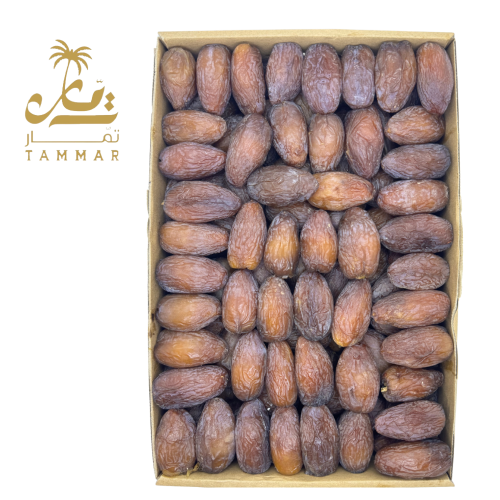
4. Natural Medjool Dates
Although Medjool dates are large and have a rich, caramel-like sweetness, their glycemic response is generally considered low to moderate. However, portion size is particularly important because a single Medjool date is considerably larger than many other date varieties.
5. Raw Dates at the Khalal Stage
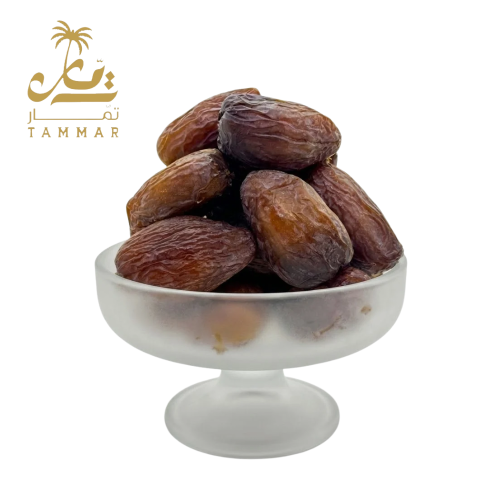
Dates consumed while they are still firm and in the khalal stage tend to contain more water and have a different carbohydrate composition than fully ripe dates. Their firm texture and higher moisture content can result in a lower sugar concentration per unit of weight compared with fully dried dates.
Approximate Comparison of Sugar Content and Glycemic Index
Date Variety Ripeness Stage Approximate Sugar Content per 100g Glycemic Index (GI) Sagai Dates Fully ripe ~60%–63% Low (below 50) Ajwa Dates Fully ripe ~62%–65% Low (around 45) Khudari Dates Rutab ~35%–45% Low Khudari Dates Dried ~70%–75% Moderate Sukkari Dates Rutab / Fully ripe ~72%–78% Moderate to high
| Date Variety | Ripeness Stage | Approximate Sugar Content per 100g | Glycemic Index (GI) |
|---|---|---|---|
| Sagai Dates | Fully ripe | ~60%–63% | Low (below 50) |
| Ajwa Dates | Fully ripe | ~62%–65% | Low (around 45) |
| Khudari Dates | Rutab | ~35%–45% | Low |
| Khudari Dates | Dried | ~70%–75% | Moderate |
| Sukkari Dates | Rutab / Fully ripe | ~72%–78% | Moderate to high |
Note: Values can vary depending on growing conditions, moisture content, ripeness, storage, and processing methods.
Fiber and Nutrients: Allies in Blood Sugar Control
One of the reasons dates can be a more nutrient-dense alternative to highly processed sweets or refined sugar is not simply the type of sugar they contain, but the nutrients and other components that accompany the natural sugars in the fruit:
- Dietary fiber: Fiber can slow digestion and the absorption of glucose, helping moderate the body's blood glucose response.
- Potassium and magnesium: Magnesium plays an important role in normal glucose metabolism and insulin function.
- Antioxidants: Polyphenols and phenolic compounds provide antioxidant activity and may help protect cells from oxidative stress.
Read also: Benefits of Date Powder
Golden Rules for Eating Dates for People with Diabetes and Those Following Diets
Even when choosing the lowest-sugar date varieties, it is important to understand that excessive consumption can increase calorie and carbohydrate intake. Here are some practical guidelines for consuming dates wisely:
- Moderate portion sizes: People with diabetes should determine an appropriate portion with their healthcare professional. A small serving may be preferable depending on individual blood glucose targets and medication.
- Pair dates with protein or healthy fats: Eating a date with a small amount of raw almonds, walnuts, or pure tahini without added sugar can make the overall meal more balanced. Protein, fat, and fiber may help slow digestion and carbohydrate absorption.
- Consider timing: Some people may prefer eating dates before physical activity because the carbohydrates can provide readily available energy.
- Avoid highly processed or sugar-coated dates: Dates coated with syrup or processed into highly concentrated products can contain significantly more concentrated carbohydrates or added sugars.
How to Choose Premium, High-Quality Dates
When looking for low-sugar dates and planning to purchase them, there are several quality factors to consider to ensure you are getting fresh dates without unnecessary added sugars:
- No added sugars or syrups: Some products may contain syrup or date molasses to create a glossy appearance or enhance sweetness.
- Proper refrigerated storage: Appropriate storage helps preserve freshness and nutritional quality and can reduce the risk of spoilage or fermentation.
- Trusted source: Purchase from reputable farms and specialized date retailers that follow appropriate harvesting, packaging, and food-safety practices.
If you are looking for carefully selected natural dates that combine authenticity, high quality, and a wide range of options, you can explore the premium dates and hospitality products available from Tammar Store, offering selected varieties for an exceptional tasting experience.
Frequently Asked Questions About the Lowest-Sugar Dates (FAQ)
Are There Dates That Are Completely Sugar-Free?
No. Dates are not naturally sugar-free. All dates contain naturally occurring sugars, including fructose, glucose, and sometimes sucrose, in varying proportions. The differences between varieties also involve moisture content, fiber, portion size, and carbohydrate composition.
Are Medjool Dates Suitable for People with Diabetes?
People with diabetes may be able to include Medjool dates in their diet, but portion size is particularly important because one Medjool date can be equivalent in size to two or more smaller dates. The appropriate portion should be based on individual dietary needs and blood glucose management.
Are Rutab Dates Better Than Dried Dates for People Looking for Lower Sugar?
Rutab dates generally contain more water, meaning they have a lower sugar concentration by weight than fully dried dates. However, the total carbohydrate intake still depends on the actual amount consumed.
Does Eating Dates with Tahini Increase or Reduce Blood Sugar?
Pure sesame tahini contains healthy fats, protein, and some fiber. Combining a moderate amount of tahini with dates may slow digestion and moderate the blood glucose response of the meal, although it also increases the meal's total calorie content.
Enjoying dates does not necessarily have to be excluded from a balanced diet. Understanding the nutritional characteristics of the lowest-sugar date varieties, controlling portion sizes, and considering the overall meal can help people include dates as part of a balanced eating pattern. With their natural minerals, fiber, and other nutrients, dates can be enjoyed mindfully while supporting overall dietary goals.
Leave a Comment