
Article Contents
Why Do Date Prices Vary? 7 Criteria That Determine the Most Expensive Dates in the World
A Guide to the Most Expensive Dates in Saudi Arabia: Luxury Rankings and Market Value
The Most Expensive Dates in Al-Qassim: Secrets of Royal Sukkari Muftal and the Buraidah International Date Carnival
The Most Expensive Dates in Al-Ahsa: The Heritage Oasis and the Prices of Amber Al-Khalas Dates
Global Comparison: The Position of Saudi Dates Among the Most Expensive Dates in the World
Hospitality and Tasting Culture: How Are Premium Dates Served in Traditional Saudi Style?
Nutritional Value and Health Benefits of Premium Dates: Why Are They Worth Their Price?
The Smart Buyer's Guide: How to Identify Authentic Premium Dates and Avoid Commercial Fraud
Elevate Your Hospitality with Tammar Store: Farm-Fresh Authenticity and Premium Selection
Keywords Related to the World of Premium Dates
Frequently Asked Questions About the Most Expensive Dates
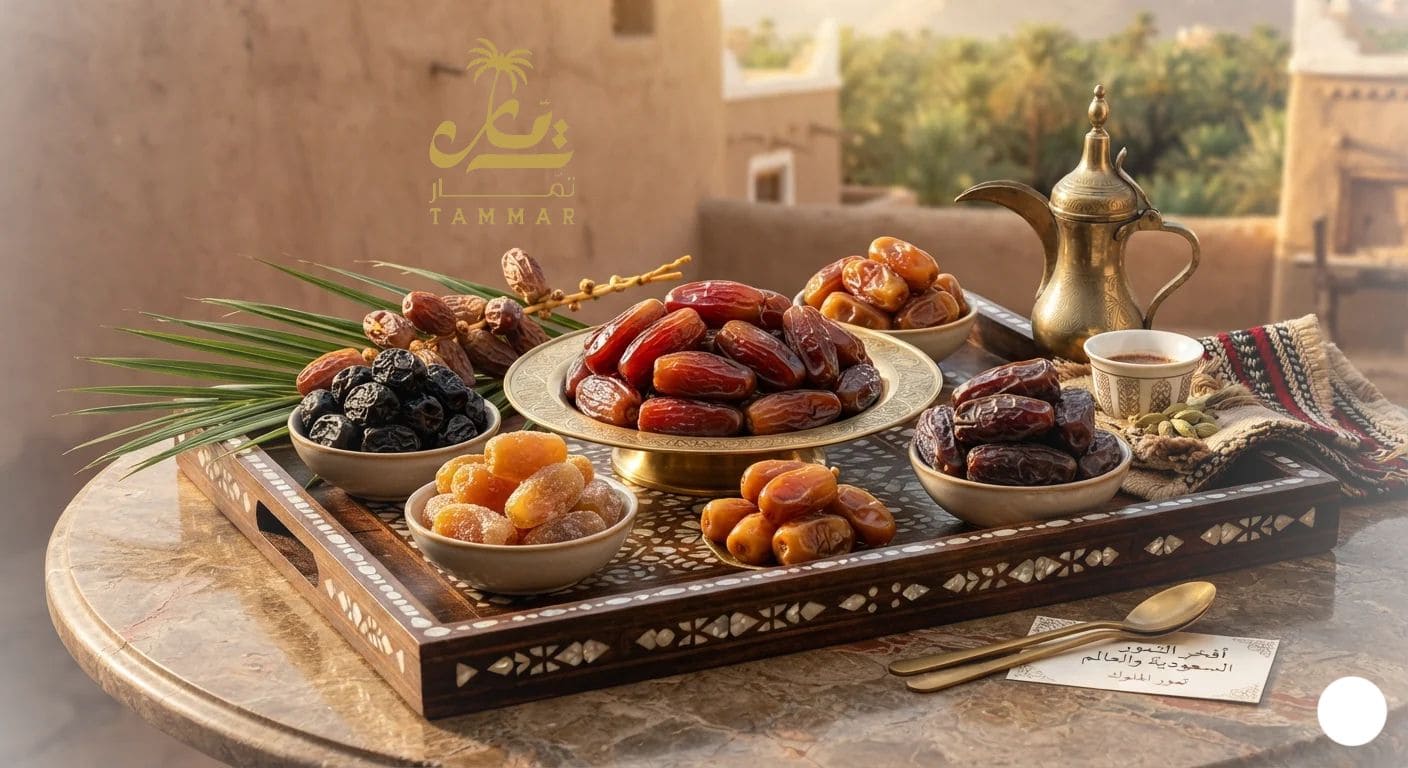
When a cup of traditional Saudi blonde coffee, infused with the aroma of cardamom and saffron, is served alongside a plate of premium dates with a golden amber or velvety dark appearance, the moment represents far more than ordinary hospitality. It is an authentic cultural tradition that reflects the history of the Arabian Peninsula and the generosity of its people.
As consumer preferences evolve and dates transform from a traditional everyday food into a luxury gift presented at official occasions and displayed in prestigious gatherings, interest in discovering the most expensive dates and rarest varieties has grown significantly, both in local farms and international markets.
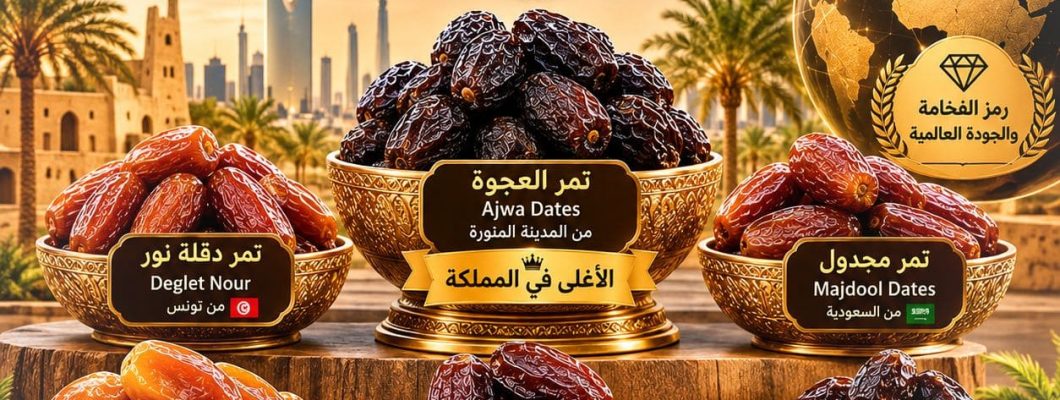
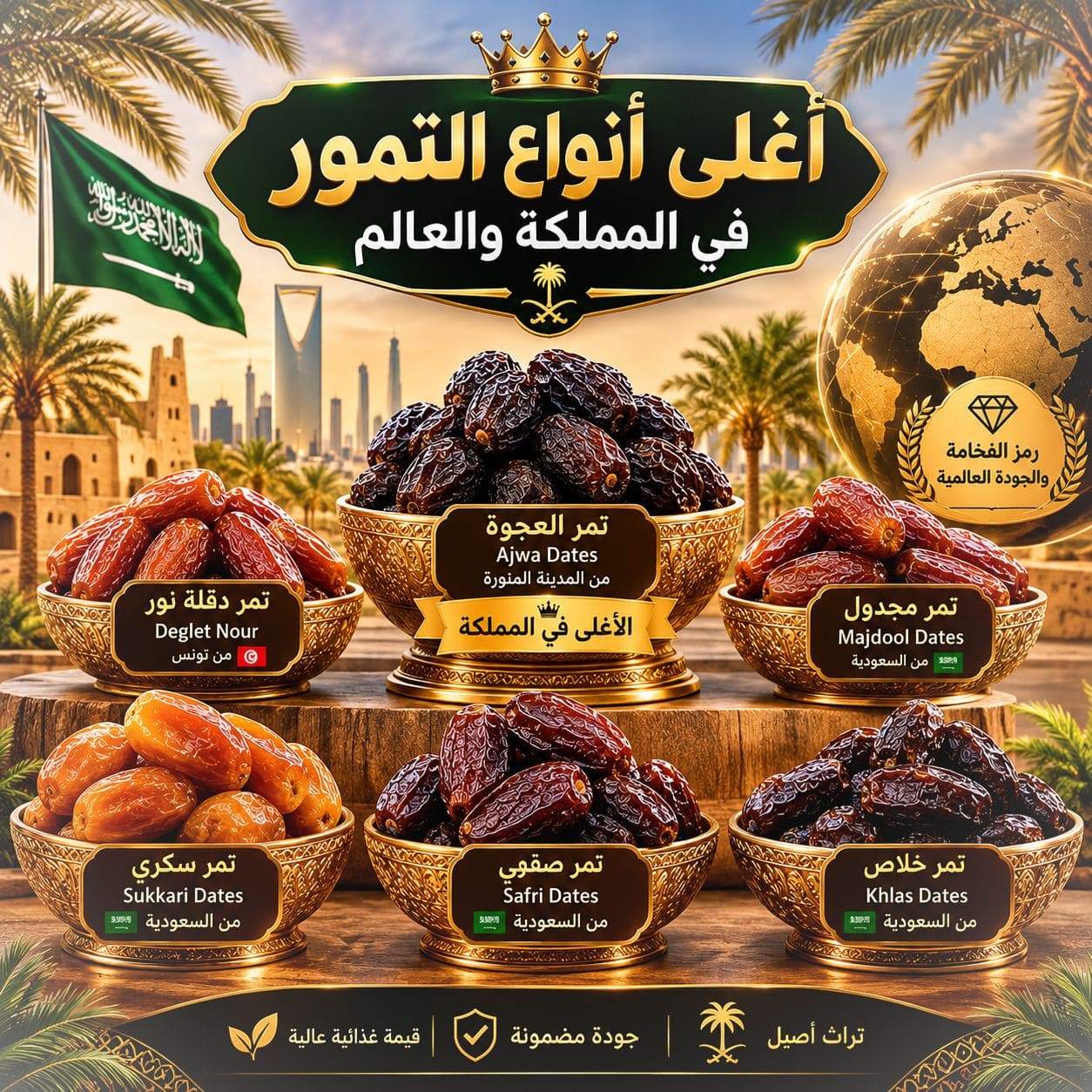
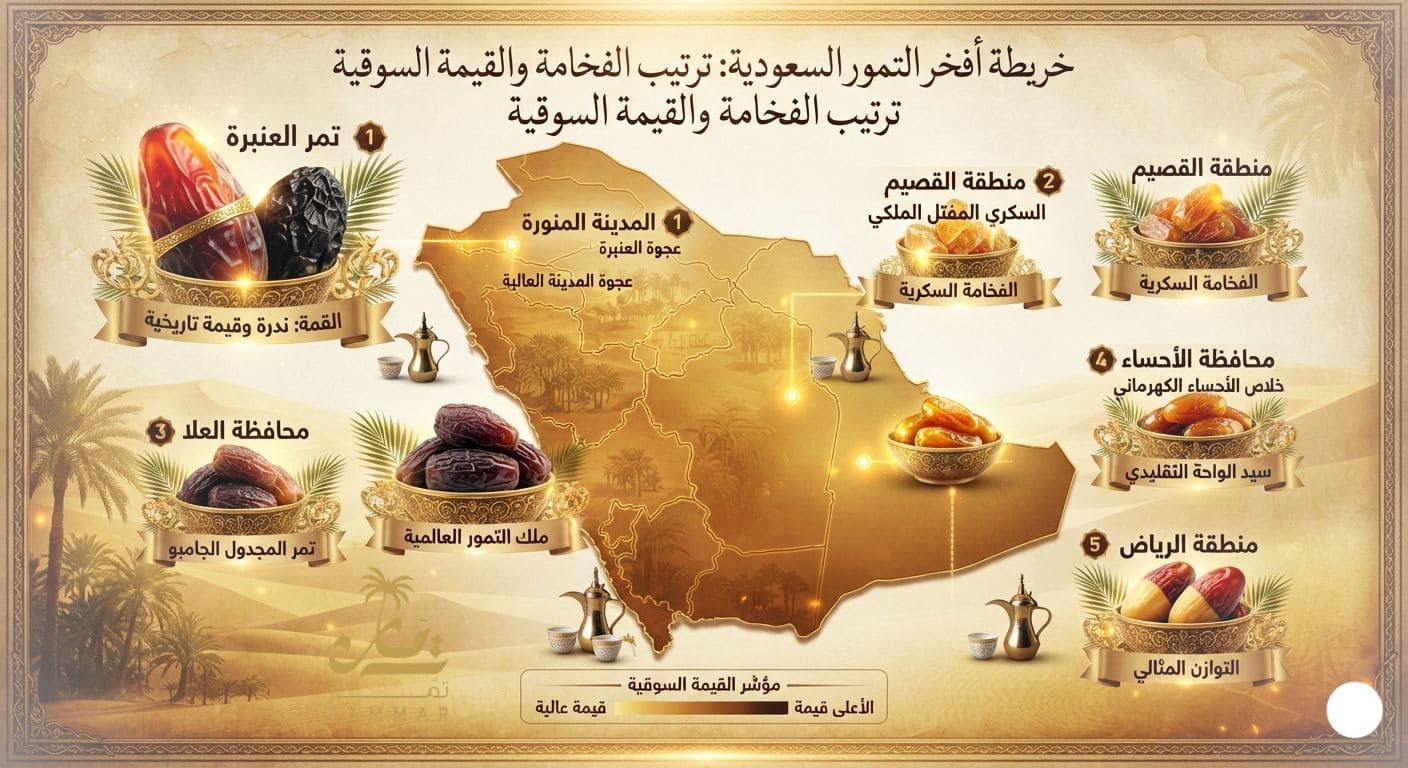
Direct Answer: Anbara dates, Madinah Ajwa dates (particularly Al-Aliyah Ajwa), Jumbo Medjool dates, Royal Sukkari Muftal dates, and Amber Al-Ahsa Khalas dates are among the leading contenders for the title of the most expensive dates in Saudi Arabia and the world.
Prices for premium, rare-grade dates can range from SAR 120 to SAR 350 per kilogram in local seasonal markets and auctions. In luxury international export markets, prices may exceed SAR 750 (approximately USD 200), depending on variety scarcity, fruit size, organic farming practices, grading standards, and packaging quality.
This prestigious position is no coincidence. According to data from the National Center for Palms and Dates, Saudi Arabia's date export value reached SAR 1.938 billion in 2025, recording growth of 14.3% compared with the previous year. The Kingdom maintained its global leadership in date export value for the fourth consecutive year, with its premium products reaching more than 125 countries across the world.
This remarkable international presence reflects a major transformation in Saudi Arabia's palm cultivation industry, making the discovery of its finest varieties an agricultural, economic, and sensory journey worth exploring.
Why Do Date Prices Vary? 7 Criteria That Determine the Most Expensive Dates in the World
Many shoppers wonder why one box of dates sells for a few dozen riyals while another box of the same weight attracts buyers willing to pay hundreds or even thousands of riyals at seasonal auctions.
Understanding the factors that determine the prices of the most expensive dates in the world helps buyers make informed decisions and avoid being misled by attractive packaging at the expense of genuine quality.
1. Geographic Rarity, Soil Characteristics, and Climate
Date palms are highly sensitive to their growing environment. The same variety may be cultivated in ten different regions, yet it may achieve its finest flavor, sweetness, and color only in its original growing environment.
The clay soil and mineral-rich warm spring waters of Al-Ahsa Oasis, the dry air and volcanic soil of the Al-Aliyah area in Madinah, and the golden sands and fresh groundwater of Al-Qassim each create a distinctive environmental fingerprint.
These unique conditions are difficult to reproduce elsewhere, increasing the market value of dates grown in their traditional locations.
2. Manual Care and Organic Farming Costs
Producing the most expensive dates in the world requires much more than fast mechanical harvesting. It involves an intensive agricultural cycle that extends throughout the year.
The process begins in spring with manual pollination, followed by thinning and pruning, during which farmers remove some small fruits from each bunch to concentrate nutrients and natural sugars in the remaining dates.
The fruits then grow larger, longer, and fleshier.
Next, the bunches are covered with breathable protective bags to shield them from dust, birds, and insects while reducing the need for chemical pesticides.
Finally, dates are carefully harvested by hand in several stages to ensure that each fruit is picked at its ideal level of maturity.
3. Royal Grading Standards and Individual Date Weight
In premium date markets, crops are not treated as a single uniform product. Instead, they undergo strict grading processes commonly described as Royal Grade or Super Jumbo.
At high-end auctions, quality is evaluated according to several factors:
Individual fruit weight, which may reach 16–24 grams in rare varieties such as Anbara, Medjool, and premium Khalas.
Smooth, intact skin without peeling or irregular swelling.
Consistent color and appearance.
Clean fruit stems and caps.
A balanced texture and appropriate internal moisture content.
These standards determine whether a product qualifies for premium or royal classification.
4. Limited Palm Offshoots and Annual Production
Some palm varieties produce relatively few offshoots, making propagation more difficult while preserving their original genetic characteristics.
Other varieties naturally produce smaller harvests compared with high-yield commercial varieties.
Anbara palms in Madinah are a notable example. Their limited availability and the difficulty of expanding cultivation mean that annual supply may struggle to meet growing international demand, supporting their high market prices.
5. Seasonal Timing and Competitive Auctions
Supply and demand play a major role in determining date prices.
At the beginning of the harvesting season, usually toward the end of summer, major traders and premium gift suppliers compete at public auctions to secure the earliest and finest harvests.
Demand also increases before Ramadan, Hajj and Umrah seasons, Eid celebrations, and national occasions.
These seasonal factors can significantly increase the value of carefully stored premium dates.
6. Cold-Chain Storage and Luxury Packaging
Keeping soft dates fresh and delicious throughout the year requires investment in refrigerated storage facilities and rapid freezing systems.
Precise temperature control helps preserve the original flavor, freshness, and texture while reducing unwanted sugar crystallization on the skin.
When professional storage is combined with luxury packaging, such as engraved wooden boxes or velvet presentation cases designed for diplomatic and corporate gifts, the final product becomes considerably more expensive.
7. Historical and Spiritual Significance
Some date varieties are valued not only for their taste and agricultural rarity but also for their deep historical and spiritual significance.
This is particularly true of Madinah dates, especially Ajwa.
Their association with Islamic heritage creates sustained international demand among consumers who consider them meaningful gifts from the holy city.
Read Also: Date Markets: The Complete Guide to Saudi Arabia's Most Famous Date Markets
A Guide to the Most Expensive Dates in Saudi Arabia: Luxury Rankings and Market Value
Saudi Arabia possesses an enormous agricultural heritage, with more than 37.5 million palm trees, including approximately 32.2 million productive trees.
According to 2024 statistics from the General Authority for Statistics and the Ministry of Environment, Water and Agriculture, the Kingdom produced approximately 1.923 million tonnes of dates.
Saudi Arabia cultivates more than 300–400 date varieties. Its genetic diversity was recognized through the Saudi Date Palm Genetic Resources Bank, which entered Guinness World Records after documenting 127 varieties.
The following table compares some of the finest and most expensive Saudi date varieties.
| Premium Date Variety | Main Growing Region | Approximate Premium Price per KG | Appearance | Texture and Flavor |
|---|---|---|---|---|
| Anbara Dates | Madinah, Al-Aliyah | SAR 120–350+, reaching SAR 750 internationally | Dark red to brownish amber, large elongated fruit | Thick, juicy flesh and rich balanced sweetness |
| Madinah Ajwa | Madinah | SAR 90–250 | Dark black to deep brown, rounded fruit | Soft, dense texture and gentle sweetness |
| Medjool Dates | AlUla, Tabuk, Al-Qassim | SAR 100–280 | Large, glossy dark brown fruit | Soft, juicy texture with caramel, toffee, and honey notes |
| Royal Sukkari Muftal | Al-Qassim, Buraidah, Unaizah | SAR 70–180, with rare auction packages exceeding SAR 400 | Golden blonde, plump fruit with wrinkled skin | Light outer crunch and soft, melting center |
| Amber Al-Ahsa Khalas | Al-Ahsa Oasis | SAR 60–295 | Clear golden amber appearance | Rich, smooth texture with natural date syrup |
| Royal Sagai | Riyadh, Al-Qassim | SAR 65–140 | Two-tone appearance: golden blonde near the stem and reddish brown elsewhere | Moderate sweetness and slightly firm texture |
| Barni Al-Ais and Mabroom | Madinah, Al-Ais, AlUla | SAR 70–150 | Amber yellow Barni and copper-red Mabroom | Concentrated flavor and firm texture |
Anbara Dates: Why Are They Called the Dates of Kings?
When palm cultivation experts discuss some of the finest and most expensive dates, Anbara dates immediately stand out.
This rare variety is associated with the orchards of Madinah, particularly the Al-Aliyah area.
Anbara is known for its exceptionally large size. Its elongated, broad fruit has a dark reddish-amber color and contains a relatively small pit surrounded by generous amounts of flesh.
Three factors contribute to its premium market position:
The scarcity of Anbara palm trees and the difficulty of propagating them.
Its distinctive flavor, combining rich sweetness with a smooth and balanced texture.
Its nutritional value and mineral content.
In some premium international markets, Anbara dates have reached approximately USD 200 per kilogram during periods of limited supply.
This makes them one of the most prestigious Saudi date varieties and a popular choice for luxury gifts and VIP hospitality.
Madinah Ajwa Dates: Spiritual and Nutritional Value
No discussion of the most expensive dates in Saudi Arabia would be complete without mentioning Madinah Ajwa Dates.
Ajwa is a blessed variety closely associated with the Prophetic tradition and the historic palm groves of Madinah.
Its fruits are recognized by their deep black or dark brown color, rounded shape, fine skin patterns, and soft yet dense texture.
The flavor combines the natural sweetness of mature dates with subtle notes reminiscent of premium raisins.
Al-Aliyah Ajwa, grown in orchards south of Madinah, holds a particularly prestigious position among consumers seeking authentic quality.
Modern nutritional research has identified various antioxidant compounds in Ajwa dates, including flavonoids and polyphenols, alongside minerals such as iron, calcium, and potassium.
These characteristics contribute to their popularity among pilgrims, visitors, and health-conscious consumers worldwide.
Medjool Dates: The King of Dates That Conquered Global Markets
Although the historical roots of Medjool dates trace back to Morocco's Tafilalt oases, this variety has also found excellent growing conditions in modern Saudi agricultural projects, particularly in AlUla, Tabuk, and Al-Qassim.
Medjool is internationally known as the King of Dates because of its impressive size, thin skin, generous flesh, and deep flavor reminiscent of warm caramel and wild honey.
Because Medjool palms are sensitive to humidity during ripening and require precise irrigation and fruit-thinning techniques, production costs can be considerably higher than those of traditional varieties.
In premium Saudi stores, organic Jumbo Medjool dates can command prices ranging from SAR 120 to SAR 300 per kilogram.
They are particularly sought after when individually graded, presented in luxury gift boxes, or stuffed with pistachios, roasted almonds, and candied orange peel.
Sagai, Barni Al-Ais, and Mabroom: Three Premium Varieties with Balanced Sweetness
Alongside the leading luxury varieties, Saudi Arabia offers several premium dates appreciated by consumers who prefer moderate sweetness and a firm texture.
Royal Sagai Dates: Grown mainly in Riyadh and Al-Qassim, Sagai is recognized by its two-tone appearance, featuring a crunchy blonde tip and a soft reddish-brown body. Its balanced sweetness makes it popular among people who enjoy dates with Saudi coffee without excessive sweetness.
Barni Al-Ais: Originating from Al-Ais Governorate in the Madinah Region, this variety is appreciated for its elongated golden-brown fruit and clean flavor. It pairs beautifully with Saudi coffee and fresh milk.
Mabroom Dates: Also associated with Madinah's orchards, Mabroom features a firm texture, copper-red color, and balanced flavor. It is particularly popular in premium gift collections and travel-friendly date packages.
Halwa Al-Jouf and Safri Bisha: Northern and Southern Treasures
Saudi Arabia's premium date heritage extends beyond the central, western, and eastern regions.
In the north, Halwa Al-Jouf stands out for its large dark fruit, rich flavor, and soft texture that melts easily in the mouth. It has long been part of northern Saudi food traditions and winter hospitality.
In the south, particularly in Bisha Governorate, Safri Bisha is appreciated for its golden-red color, thin skin, and distinctive aromatic flavor.
Premium Safri dates enjoy strong demand in southern markets and across other Saudi cities.
The Most Expensive Dates in Al-Qassim: Secrets of Royal Sukkari Muftal and the Buraidah International Date Carnival
While Madinah is renowned for its blessed dates, Al-Qassim is widely regarded as the economic capital of the date industry.
According to statistics from the Ministry of Environment, Water and Agriculture, Al-Qassim leads Saudi regions in date production, producing more than 584,000 tonnes annually and containing over 11 million palm trees.
At the heart of this agricultural region, the Buraidah International Date Carnival takes place every year.
The event is recorded in Guinness World Records as the world's largest date market and festival, with annual sales estimated at approximately SAR 3.2 billion.
When searching for the most expensive dates in Al-Qassim, Royal Sukkari Muftal Dates occupy a leading position.
Sukkari accounts for a significant share of trading activity at the Buraidah Date Carnival.
However, buyers should distinguish between ordinary commercial Sukkari dates and rare Royal Sukkari Muftal. The latter can exceed SAR 400 per carton weighing 3.5 kilograms at premium early-season auctions.
What Makes Royal Sukkari Muftal Different?
Sukkari is often called the King of Najdi Hospitality.
The exceptional value of Muftal dates comes from the precise timing of natural sugar transformation inside the fruit under Al-Qassim's warm sunshine.
Sukkari Muftal refers to plump golden dates that mature on the palm and are exposed to carefully controlled dry air, causing their skins to develop delicate wrinkles.
The result is a unique combination of a light, crispy exterior and a soft honey-like center that melts beautifully alongside a cup of hot coffee.
Another sought-after variety is Sukkari Galaxy, known for its exceptionally soft texture and smooth appearance.
Its skin has a consistent deep golden color and attractive silky shine.
Carefully selected packages from farms in Buraidah, Unaizah, and Al-Bukayriyah attract premium prices at seasonal auctions.
Al-Qassim also produces other sought-after varieties, including:
Naboot Saif: Known for its firm and satisfying texture.
Barhi Dates: Especially popular during their golden fresh-rutab season.
Date products entering the Buraidah Carnival undergo laboratory testing to check for pesticide residues before being approved for sale or export.
Read Also: The Most Famous Dates in Saudi Arabia: Madinah, Al-Qassim, and Al-Ahsa Varieties
The Most Expensive Dates in Al-Ahsa: The Heritage Oasis and Amber Al-Khalas Prices
From central Najd, the journey moves east toward one of the world's largest natural palm oases: Al-Ahsa Oasis.
Recognized as a UNESCO World Heritage Site, the oasis covers approximately 85.4 square kilometers and contains around 2.7 million palm trees within its oasis area, out of approximately four million trees across the Eastern Province.
Its annual date production exceeds 213,000 tonnes.
In this historic region, the quality of a date is not measured solely by its size, but also by the purity of its variety and the richness of its natural syrup.
The leading variety among the most expensive dates in Al-Ahsa is Al-Ahsa Khalas, often described by its admirers as the Master of Dates.
Although ordinary commercial Khalas dates are available at moderate prices, the auctions at King Abdullah Date City and the Al-Ahsa Date Marketing Festival reveal the premium value of exceptional harvests.
Auction transactions have recorded prices reaching SAR 295 per kilogram for premium Amber Khalas dates.
This is equivalent to approximately SAR 71,000 per tonne and SAR 12,000 per Ahsa Mann, which weighs 240 kilograms.
The highest-grade fruit can exceed 16 grams per date.
Why Does Premium Al-Ahsa Khalas Reach Such High Prices?
Agricultural specialists and historians attribute the distinctive characteristics of Al-Ahsa Khalas to the interaction between several environmental factors.
These include naturally warm, mineral-rich groundwater and the region's heavy clay soil, which contains calcium and potassium.
Together, these conditions contribute to the variety's clear amber color and balanced flavor.
Its natural sweetness is rich yet moderate, making it an excellent companion to Arabic coffee.
Premium Khalas also retains its soft texture and natural syrup throughout the year when stored correctly.
Al-Ahsa's date heritage extends beyond Khalas and includes several other traditional varieties:
Shishi Dates: Among the finest Eastern Province varieties, Shishi is appreciated for its plump fruit, golden-brown color, and warm, rich flavor. It is popular in both fresh-rutab and stored-date forms.
Ruziz Dates: A traditional variety associated with the history of Al-Ahsa for centuries. Its fruits are generally smaller and darker than Khalas, but contain concentrated natural syrup and a distinctive aroma. Ruziz is widely used in traditional regional dishes such as Aseeda and Mamroos.
Shibibi, Khunaizi, and Umm Rahim: Premium local varieties appreciated by consumers who value diversity and rarity. They have also attracted interest from modern food-processing projects that combine traditional flavors with innovative products.
Global Comparison: The Position of Saudi Dates Among the Most Expensive Dates in the World
To understand Saudi Arabia's position in the premium date industry, it is important to consider its production within the global market.
The Food and Agriculture Organization of the United Nations (FAO) recognizes dates as an important food crop, and 2027 has been designated the International Year of Dates in recognition of their role in global food security and sustainable agricultural development.
Today, Saudi Arabia's premium date varieties, supported by the goals of Saudi Vision 2030, are increasingly competitive in international markets through quality and reliability.
Several international varieties also compete in the luxury date market:
Deglet Noor Dates (Tunisia and Algeria): Often called Fingers of Light because of their thin, translucent golden skin, which allows the pit to become visible when held toward sunlight. Despite their popularity in European markets, their relatively abundant production generally keeps prices moderate compared with premium Anbara and Al-Aliyah Ajwa.
Moroccan, Jordanian, and American Medjool Dates: Popular in North American and European markets because of their large size and caramel-like flavor. However, modern Saudi agricultural projects in AlUla, Tabuk, and Al-Qassim have successfully developed premium organic Medjool dates that compete in size and quality.
Gulf and Iraqi Dates (Barhi, Lulu, Khunaizi, and Khastawi): These varieties are widely appreciated, particularly Barhi in its crunchy yellow Bisr stage and soft honey-like Rutab stage. However, their average prices are generally lower than those of the finest Madinah, Al-Ahsa, and Al-Qassim dates.
One of the distinguishing factors behind the international reputation of premium Saudi dates is the quality-control system represented by the Saudi Dates Mark program, operated by the National Center for Palms and Dates.
The program requires participating products to meet strict food safety, laboratory testing, packaging, and traceability standards.
Hospitality and Tasting Culture: How Are Premium Dates Served in Traditional Saudi Style?
Purchasing premium dates is only part of the experience. Serving them correctly helps highlight their individual flavors and textures during gatherings and special occasions.
Just as specialty coffee enthusiasts select roasting levels to complement particular flavors, Saudi date lovers carefully match each variety with the appropriate style of Saudi coffee.
Sukkari Muftal with Light Blonde Saudi Coffee: Its pure sweetness and gentle crunch pair beautifully with lightly roasted Saudi coffee infused with cardamom and saffron. Cardamom balances the sweetness and enhances the date's warm flavor.
Al-Ahsa Khalas with Medium-Roasted Coffee: The balanced amber syrup of Khalas complements medium-roasted coffee with a subtle touch of cloves, creating a pleasant tasting experience.
Stuffed Medjool Dates for Formal Occasions: Jumbo Medjool dates are often pitted and filled with roasted almonds, pecans, or pistachios. They make an elegant addition to formal gatherings, served alongside coffee or Moroccan tea.
Madinah Ajwa for Breakfast: Ajwa dates are commonly served in the morning with water, milk, or light coffee as an energy-rich traditional breakfast.
Read Also: 4 Best Types of Dates: Taste, Health, and Authenticity
Nutritional Value and Health Benefits of Premium Dates: Why Are They Worth Their Price?
When consumers pay a premium for carefully selected organic dates, they are purchasing more than an enjoyable taste experience.
Dates provide a combination of natural sugars, dietary fiber, minerals, and antioxidant compounds.
Their main nutritional benefits include:
A Natural Source of Energy: Dates contain glucose and fructose, which provide the body with readily available energy after fasting or physical exercise. Their dietary fiber also influences the rate of sugar absorption.
A Source of Antioxidants: Dark and fleshy varieties such as Madinah Ajwa, Anbara, and Medjool contain antioxidant compounds, including flavonoids, carotenoids, and phenolic acids, which help protect cells against oxidative stress.
Support for Brain and Nervous System Health: Dates provide important micronutrients and plant compounds that contribute to normal cellular functions. They can be included as part of a balanced diet.
Essential Minerals: Dates provide potassium, magnesium, iron, calcium, and manganese, which contribute to normal muscle, nerve, blood, and bone functions.
Digestive Health: Natural dietary fiber in date flesh and skin supports digestive regularity and helps nourish beneficial gut bacteria.
The Smart Buyer's Guide: How to Identify Authentic Premium Dates and Avoid Commercial Fraud
As demand for the most expensive dates in Saudi Arabia increases, some consumers may encounter misleading commercial practices.
These can include coating lower-quality dates with oil to create an artificial shine, spraying them with manufactured sugar syrup to imitate natural date syrup, or mixing previous-season harvests with fresh products.
To make a reliable purchase, follow these six guidelines:
Distinguish Natural Date Syrup from Artificial Sugar Coatings: Natural shine on Al-Ahsa Khalas or Sukkari Galaxy dates should look smooth and consistent with the skin. It should not leave an unpleasant sticky layer on your fingers. Artificially sweetened dates may have an excessively sticky surface and a sharp, superficial sweetness.
Inspect the Date Stem: A clean, intact stem attached to the fruit can indicate careful harvesting and handling. Inspecting this area can also help identify insect damage or deterioration.
Check Size and Color Consistency: Premium Royal Grade packages should contain dates with similar sizes, fullness, and color. Significant differences between large fruits and shriveled or excessively dry ones may indicate inadequate grading.
Understand Sugar Crystallization: Small white crystalline spots on the skin do not necessarily mean that dates have spoiled. They can result from natural sugar crystallization caused by temperature fluctuations or prolonged storage without refrigeration. Proper cold-chain storage helps preserve the appearance and texture of premium dates.
Check the Aroma: Fresh dates usually have a pleasant, warm fragrance with notes of honey and mild caramel. Fermented or sour odors may indicate exposure to excessive moisture or heat.
Verify Certifications and Cold-Chain Storage: Purchase dates from reliable suppliers that follow laboratory testing and food safety standards and maintain appropriate refrigerated storage from the farm to delivery.
Secrets to Storing Premium Dates at Home for Longer
Even the finest seasonal harvest can lose its quality if stored incorrectly.
For consumption within approximately two weeks to one month, dates can be stored in an airtight food-safe or glass container inside the refrigerator at around 4°C, away from strongly scented foods.
For larger quantities that need to be stored for six months or even a full year, particularly Rutab, Sukkari, and Khalas dates, freezing at -18°C helps preserve freshness and flavor.
When serving, remove the required quantity and leave it at room temperature for approximately one hour to allow the dates to regain their soft texture.
Read Also: Dates: More Than 2,000 Different Varieties Around the World
Elevate Your Hospitality with Tammar Store: Farm-Fresh Authenticity and Premium Selection
There is no need to worry about inconsistent market quality or unclear product origins.
At Tammar Store, we bring together the heritage of Madinah's palm groves, the fertile farms of Al-Qassim, and the authenticity of Al-Ahsa Oasis to create a complete shopping experience.
Our collection showcases carefully selected Saudi dates, individually graded according to premium quality standards.
Whether you are looking for blessed Al-Aliyah Ajwa, Royal Anbara, golden Sukkari Muftal, Amber Al-Ahsa Khalas, or Jumbo Medjool dates stuffed with premium nuts, Tammar Store offers:
A Trusted Farm-to-Table Source: Carefully selected harvests with documented quality, without added sugar or unnecessary preservatives.
Refrigerated Shipping to Preserve Freshness: A continuous cold chain designed to help your dates arrive with their ideal texture and natural flavor across Saudi Arabia.
Luxury Gift Collections: Elegant gift boxes designed to impress your guests and make memorable gifts for Ramadan, Eid, official occasions, and family celebrations.
Never Compromise on the Quality of Your Hospitality. Explore the premium collection today at Tammar Store and order your luxury date box to experience the difference between ordinary dates and authentic premium Saudi dates.
Frequently Asked Questions About the Most Expensive Dates
1. What Is the Most Expensive Type of Date in the World?
Anbara dates grown in Madinah, premium Al-Aliyah Ajwa, and organic Jumbo Medjool dates are among the most expensive varieties in the world.
Anbara is particularly prestigious in luxury markets. During periods of limited supply, its premium export price can reach approximately USD 200 per kilogram, equivalent to around SAR 750, when presented in luxury gift packaging.
2. What Is Currently the Most Expensive Date in Saudi Arabia?
The leading position varies between retail markets and seasonal auctions.
In premium retail stores and luxury gift markets, Anbara, Al-Aliyah Ajwa, and Jumbo Medjool compete at the top, with prices ranging from SAR 120 to SAR 350 per kilogram.
At competitive auctions, rare Sukkari Muftal packages have exceeded SAR 400 per carton weighing 3.5 kilograms at the Buraidah Date Carnival.
Meanwhile, Amber Al-Ahsa Khalas has recorded auction prices reaching SAR 295 per kilogram at King Abdullah Date City.
3. Why Do Al-Ahsa Khalas and Sukkari Prices Differ So Much Between Stores?
Price differences are influenced by manual grading standards, individual fruit weight, harvesting time, and cold-chain storage quality.
Commercial-grade dates with varying sizes are generally more affordable.
However, a small proportion of the harvest may qualify for Royal Grade after careful selection of large, clean, and uniform fruits, with individual dates weighing more than 16 grams.
These premium products command higher prices because of their scarcity and the additional costs of grading and luxury packaging.
4. What Is the Difference Between Sukkari Muftal, Sukkari Rutab, and Crushed Sukkari?
All three varieties come from the same palm variety but differ in harvesting stage and preparation.
Sukkari Rutab: Harvested during the soft Rutab stage. It has a juicy texture and gentle sweetness and is generally preserved by freezing.
Sukkari Muftal: Left on the palm to partially dry under the sun, allowing its skin to develop delicate wrinkles and a golden crunch while retaining a soft center.
Crushed or Stored Sukkari: Carefully packed and pressed to produce a smooth, uniform texture with concentrated natural date syrup.
5. Is Al-Aliyah Ajwa Different from Regular Madinah Ajwa?
Yes. Al-Aliyah refers to an area south of Madinah, historically associated with fertile volcanic soil and distinctive agricultural conditions.
Experts often distinguish Ajwa grown in Al-Aliyah for its rich texture and concentrated flavor.
These characteristics contribute to its premium market position compared with Ajwa dates grown in other locations.
6. What Is the Best Time to Buy Premium Dates and Store Them Throughout the Year?
The annual harvesting season, which generally extends from August through November, is an excellent time to purchase fresh dates directly from farms and seasonal markets.
During this period, premium varieties become available at major agricultural events such as the Buraidah Date Carnival and Al-Ahsa auctions.
Consumers can purchase their annual requirements and store suitable varieties in a home freezer to maintain freshness until Ramadan and beyond.
7. How Can I Ensure That I Buy Authentic Saudi Dates Online Without Being Scammed?
Choose officially licensed and reputable stores that provide clear information about the product's origin, grading category, and net weight.
Check that the seller follows an appropriate refrigerated shipping policy to protect the dates during transportation.
You should also review verified customer experiences and product descriptions.
Specialized platforms such as Tammar Store focus on product quality and freshness, helping customers enjoy a reliable shopping experience from the farm to their doorstep.
8. Are Premium Dates Suitable for People with Diabetes or Those Following a Diet?
Although premium dates contain dietary fiber and antioxidant compounds, they are still a concentrated source of natural sugars.
People with diabetes should consult their healthcare professionals to determine suitable serving sizes within their individual dietary plans.
Varieties with a less intensely sweet taste, such as Sagai or Madinah Ajwa, may be considered in carefully controlled portions, depending on individual nutritional requirements.
Leave a Comment