
Table of Contents
Introduction: The Comprehensive Guide to Secrets of Preserving and Storing Dates
Importance: How do you explain the rise of the date preservation industry? (Economic Feasibility)
Spoilage Factors: Factors affecting date spoilage (Humidity and Heat)
Method 1 (The Best): Preserving Dates by Freezing (The Freezer)
Method 2: Storing Dates in the Fridge (For Daily Consumption)
Method 3 (Traditional): Preserving Dates in Sheepskin (Al-Shanna)
Method 4: Preserving Dates by Drying and Cooling
Industrial View: How is the process of packing and preserving dates done in factories?
Quick Guide: Date storage methods by type (Rutab, Pressed, Dry)
Golden Tips: Common mistakes when storing dates (Washing and Sugar Bloom)
Conclusion
FAQ: About shelf life and date safety
References: Global studies and reliable links
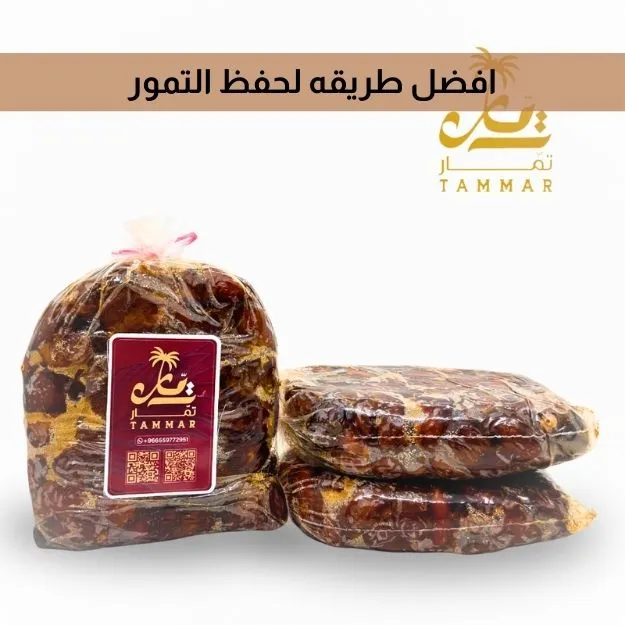
The Best Way to Store Dates
Dates are considered the "fruit of the desert" and a precious treasure found in almost every Arab home. Not only because they hold religious and nutritional value, but also because they are a staple on the dining table, especially during Ramadan. However, every year date lovers face a recurring problem: What is the best way to store dates? And how do we maintain their quality, freshness, and sugary taste for as long as possible without them drying out, getting infested with weevils, or having their taste change?
In this comprehensive guide, we will explore the world of preserving <>Dates from various angles: from modern methods like freezing, to traditional methods like storing them in sheepskins, and even the industrial secrets followed by major factories.
How do you explain the rise of the date preservation industry?
Before we think about how to save dates, we must understand why. The question economists and students always ask is: Why did the date preservation industry develop and increase in importance? The answer is summarized in several key points that make date preservation a necessity, not just a luxury.
Seasonality vs. Sustainability: The palm tree produces in one season of the year (summer), but the demand for dates exists all year round. Without advanced preservation techniques, we wouldn't be able to eat "Rutab" (fresh, moist dates) in the winter.
Food Security: Dates are not just a sweet treat; they are a complete food that can satisfy human hunger for long periods. Preserving them means securing a strategic energy reserve for nations and individuals.
Economic Value and Export: For dates from Saudi Arabia or North Africa to reach stores in Europe and America with high quality, the industry of date packing and preservation had to be developed using methods that prevent spoilage during long shipping times.
Variety Diversity: Some types, like "<>Rutab Sukari" or "Barhi," spoil very quickly. The refrigeration and freezing industry is the only reason marketing these varieties commercially is possible.
Factors Affecting Date Spoilage
Want to succeed in storing dates for a long time? You must understand what spoils them. The number one enemies of dates are Humidity and Heat.
Fermentation: If the moisture content is high (like in Rutab) and it is left at room temperature, natural yeasts will begin to activate, turning the sugar into acid and alcohol, giving the date a sour taste.
Crystallization: Dry dates can suffer from sugar crystallization on the skin and a hardening of texture if stored in a very dry atmosphere without a cover.
Insects: Date weevils are attracted to scent and heat, and they are the biggest enemy of your old stock.
How to Store Dates in the Freezer – The Ideal Method
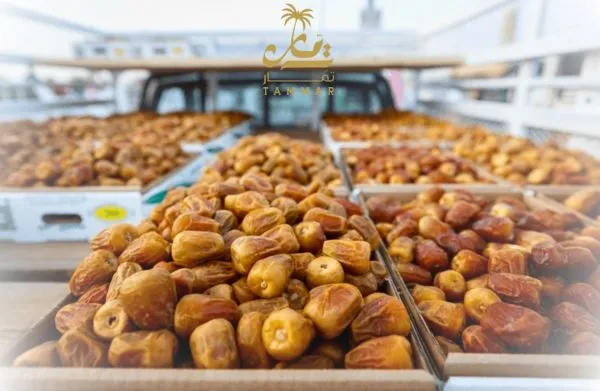
When we talk about storing dates in the freezer, we are describing the best way to preserve them correctly. Freezing is the optimal solution for dates with high moisture content, such as Rutab.
Why is freezing the best option?
When you freeze dates at a temperature of -18°C or lower, you are effectively stopping enzyme activity and locking the door on bacteria and yeast growth. This keeps the yellow color of the date and its delicious taste as if it were still fresh, even if a year has passed.
Professional steps for storing dates in the freezer:
Selection and Sorting: Discard any crushed or damaged berries. Only store intact fruits.
Cleaning the Dates: Before storage, wipe the dates with a clean cloth or tissue. Excess water can cause the dates to become mushy when thawed.
Airtight Packing: Place the dates in vacuum-sealed bags or high-quality plastic containers. The goal here is to protect them from "freezer burn" and the smell of other foods.
Quick Freezing: Try to place the dates in the coldest part of the freezer so they freeze quickly and maintain their texture.
How to thaw frozen dates:
The common mistake is taking dates out of the freezer and leaving them on the table. This causes water vapor to condense on them, making them mushy. The correct way is to move the dates to the fridge (bottom shelf) and let them thaw slowly for 24 hours before serving.
Storing Dates in the Refrigerator
Storing dates in the fridge is suitable for "semi-dry" dates or Rutab that you intend to eat within two weeks.
Ideal storage temperature in the fridge:
The appropriate temperature ranges between 3 to 5 degrees Celsius. This is sufficient to reduce insect activity, but it does not stop it completely like freezing does.
Tips for storage in the fridge:
Use healthy containers (Tupperware) with tight lids to prevent air entry.
Do not mix different Types of Dates if their moisture content differs.
Traditional Ways to Preserve Dates (In Sheepskin)
Before electricity, our ancestors invented amazing ways to preserve dates for years. One of the most famous is preserving dates in sheepskin or "Al-Kanz" (hoarding/pressing), where it is kept in a leather container called "Al-Qirba" or "Al-Shanna."
How to preserve dates in skin:
Preparing the skin: Sheepskin is cleaned and tanned well to treat it.
Pressing (Al-Kanz): They put the dates inside the skin and press them firmly to expel any air bubbles.
The Result: After a while, the dates turn into a single cohesive block, floating in their natural honey (syrup). The skin allows for slight breathing, which helps improve the taste over time.
Preserving Dates by Drying and Cooling (For Factories and Homes)
Preserving dates by drying is the optimal method for dates that are naturally dry. Drying does not mean turning the date into a solid rock, but rather reducing the moisture to less than 20%, which is the level where bacteria cannot survive.
Home Methods:
Dates can be spread on clean mats in a sunny and well-ventilated place (covered with gauze to prevent insects and dust) for several days until excess water evaporates.
After drying, place the dates in cloth or paper bags and store them in a cool, dry place (like a lower kitchen cupboard away from the oven).
Industrial Drying:
In factories, they use "drying tunnels" that pass hot air in a controlled manner to draw out moisture without cooking the date, ensuring consistency in quality and color.
Industrial Date Packing and Preservation (How it's done in factories)
If we look at major companies like Al Madina Dates Company and other pioneers in this field, we see that they follow strict protocols known as the "Date Value Chain." Here is how the process works:
Fumigation and Sterilization: As soon as dates arrive from farms, they enter special fumigation rooms. Previously, strong chemicals were used, but currently, the global trend is towards "Thermal Fumigation" or using Carbon Dioxide gas under pressure to kill any insects, eggs, or larvae inside the date without leaving a chemical trace.
Washing and Mechanical Drying: Dates pass on conveyor belts sprayed with a mist of pure water to remove dust, then pass through a strong air current to dry completely. If even a drop of water remains, it is a major problem.
Sorting and Grading: Factories use laser technologies and smart cameras to sort dates by size, color, and skin separation percentage. Damaged dates are isolated to go into making paste or molasses (date syrup).
Advanced Packaging Technologies: Several packaging methods are used, such as:
Vacuum Sealing: Dates are placed in plastic bags, and the air is completely withdrawn. This method prevents oxidation and maintains the date's softness and light color.
Modified Atmosphere Packaging (MAP): An inert gas (like Nitrogen) is placed inside the boxes. This prevents the package from shrinking onto the dates and preserves the beautiful round shape of the date.
Date Storage Methods by Type (Your Quick Guide)
To simplify things, here is a summary of the best environment for each type:
Preserving Rutab Dates (like Sukari Rutab, Barhi, Rothana):
State: Very soft, high humidity.
Place: Freezer (for long-term storage) or the coldest spot in the fridge (for one week).
Preserving Pressed Dates (Maknouz):
State: Dates compressed in bags or containers.
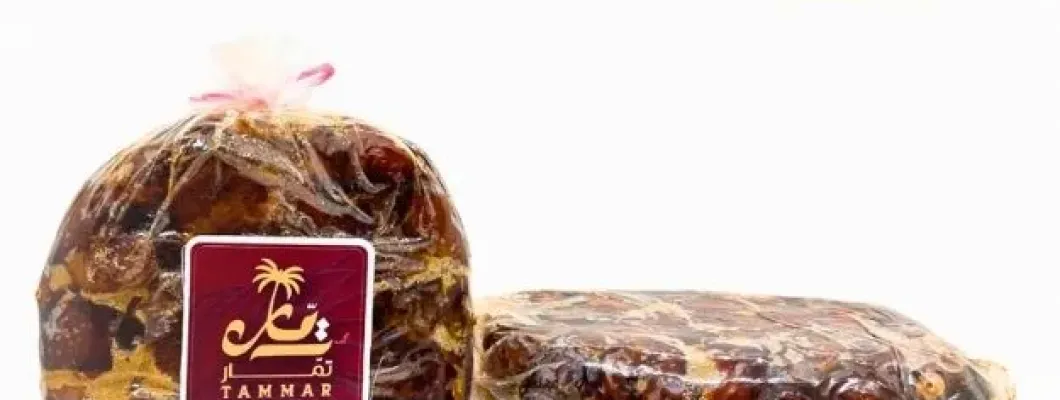
Place: Can be stored at room temperature provided the place is dark and cool. However, putting it in the fridge maintains its light color for a longer period.
Preserving Dry Dates (like Dry Sagai, Dry Medjool):
State: Hard skin, low humidity.
Place: An airtight container in a kitchen cupboard. The fridge is fine but might increase hardness slightly, so it's better to take them out well before eating.
Important Tips and Common Mistakes When Storing Dates
Conclusion
At the end of this comprehensive guide on the best ways to preserve and store dates, we know that the secret lies in the balance between modern style and traditional methods. The date is a great fruit, and storing it the right way means you can enjoy its delicious taste at any time.
Here is the gist in 4 main points:
Long Term (Freezing Dates): If you want to save dates for a long time (up to two seasons), especially moist types (like Sukari and Barhi), there is no alternative to the Freezer at -18°C, with the essential condition of proper isolation from air.
Daily Consumption (Refrigerating Dates): Dry and stored dates are best placed in the Fridge or a cool, dry place, so they remain soft and ready to eat immediately.
Hygiene First: The golden rule is not to wash dates until immediately before eating. Moisture is the main enemy, causing fermentation and mold in storage containers.
Beware of Changes: Monitor dates constantly; a sour smell means the date has decomposed, while a rough white layer usually means sugar crystallization, which is harmless.
Frequently Asked Questions (FAQ)
Here we answer the most common questions regarding date storage and safety to ensure the best taste and quality.
In the Freezer (-18°C): Rutab dates can be preserved for 1 to 2 years while maintaining their nutritional value and taste, but they must be sealed tightly.
In the Fridge (Cooling): Dates can remain valid for 6 months for dry and pressed types, but Rutab is best consumed within 2 weeks to a month.
At Room Temperature: Dry dates can last for several months, while Rutab does not exceed 3-5 days before it starts to ferment.
Smell: If there is an acidic or fermented smell.
Appearance: If you notice insects or mold.
Taste: If it tastes pungent or sour.
Sources and References
Food and Agriculture Organization of the United Nations (FAO)
International Codex Alimentarius (Codex Alimentarius)
Postharvest Technology Center - UC Davis (UC Davis)
National Library of Medicine (NCBI / PubMed) - Scientific Studies
International Society for Horticultural Science (ISHS)
Leave a Comment