
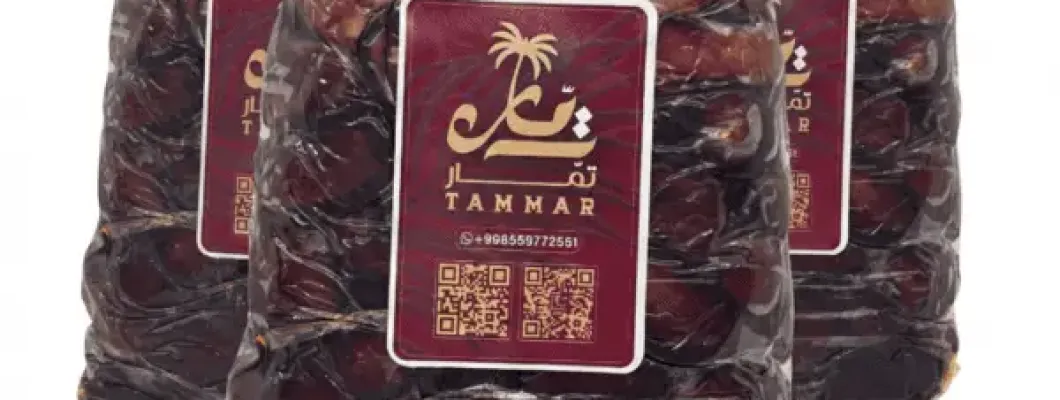
Deep within the Kingdom of Saudi Arabia, specifically in the Al-Washm region, lies the historic city of Shaqra. Famous not only for its rich architectural heritage, Shaqra is a lush oasis that nurtures one of the finest types of dates known to the Arab world in its groves. Discussing Shaqra Dates is not merely talking about a fruit; it is a dive into the details of popular heritage and an exceptional flavor that adorns Gulf and Arab dining tables.
Whether you are looking for authentic taste, high nutritional value, or the perfect gift that symbolizes hospitality, Shaqra dates offer all this and more. In this extensive article, we will explore everything related to this luxurious date, from its varieties and packing methods to its amazing impact on body and brain health.
The Jewel of Al-Washm: What Are Shaqra Dates and Why Are They Special?
When we mention Shaqra Dates, we are most often referring to the luxurious "Khalas" dates grown in Shaqra’s farms. These farms feature unique soil and climate conditions that give the fruit a distinct taste and color. Shaqra is renowned for the quality of its Maknuz (pressed) dates, which transform over time into a natural candy that melts in your mouth.
This date is distinguished by the fact that it is not just an agricultural variety, but a "mark of quality" associated with the region. Farmers in Shaqra have inherited generations of knowledge on palm care, harvesting (Jidad), and most importantly, the storage and packing methods (Kanz) that make it an icon of Saudi dates.
Taste Classifications: Types of Shaqra Dates
Although the "Khalas" variety is the crowned king of Shaqra’s farms, the types of Shaqra dates vary based on presentation, ripening stage, and processing method. This diversity serves all tastes, from lovers of a light crunch to fans of soft textures and intense sugary flavors.
The main types for which Shaqra is famous can be divided into:
Luxury Shaqra Khalas: The most famous type, characterized by a medium-to-large bean. It has an apricot-yellow (blonde) color before packing, which turns into a golden amber after packing.
Rothana and Maktoumi: While less famous than Khalas in terms of export, Shaqra farms produce distinct varieties of these, usually consumed fresh (Rutab).
Sag'ai: Distinguished by its two-toned color (red and yellow). Shaqra produces luxury varieties of this type known for their moderate sweetness.
However, the true distinction in Shaqra lies not only in the name of the palm but in the "state" of the date after harvest. Here, we move to the categories most in demand in the market.
Luxury in Storage: Shaqra Maknuz (Pressed) Dates
Shaqra Maknuz dates are considered the classic and most requested form of this product. The process of "Kanz" involves pressing the dates and packing them in a way that removes air, allowing the Dibs (natural date nectar/syrup) to emerge and coat the beans.
Why do people prefer Maknuz dates from Shaqra?
Quality Preservation: Packing preserves the dates for very long periods without spoiling or altering the taste.
Flavor Concentration: Pressure causes the sugars to concentrate, giving the date a rich, intense flavor.
Soft Texture: Maknuz dates are characterized by a softness that makes them easy to eat and digest, making them very suitable for the elderly and children.
The skill of the people of Shaqra in packing is what linked their city’s name to quality; they select only perfectly intact beans and monitor ideal temperature and humidity levels during packing to ensure the release of natural "Dibs" without adding any artificial substances.
The Delicious Phenomenon: Shaqra Majrush (Crystallized) Dates
Here we reach the pinnacle, the type specifically sought after by gourmets: Shaqra Maknuz Majrush Dates. The word "Majrush" in the world of dates refers to natural crystallization. It is a phenomenon that occurs when fructose and glucose sugars in the date crystallize on the outer skin or inside the date's tissue, forming a layer resembling ground sugar. This provides a light "crunchy" texture combined with the softness of the date inside.
This type is not just a date; it is a complete sensory experience:
Appearance: Distinguished by a light golden color leaning towards white due to sugar crystallization.
Texture: Combines the softness of the pulp with the crunch of the natural sugar shell.
Flavor: A very concentrated natural caramel/toffee flavor.
Obtaining Shaqra Majrush dates requires very specific storage conditions, relying on calculated cooling and time. This is a secret mastered by the merchants and farmers of Shaqra, making this type rare and higher in price and value.
Quality Standards: Specifications of Original Shaqra Dates
To ensure you get the authentic product, you must be precisely aware of the specifications of Shaqra dates that distinguish them from other commercial dates. When buying, look for the following signs that confirm high quality:
Golden Amber they are a clear "blonde" gold. When packed (Maknuz), they become a shiny, slightly transparent amber.
Bean Size: Sizes vary, but the luxury type features a consistent, plump (meaty) bean, not dry or with a hard skin.
Clean Skin: The skin should adhere to the pulp and not be flaky or separated (known as Hatat). This is evidence of quality packing and fruit maturity.
Amount of Nectar (Dibs): In the packed type, the nectar should be natural, resulting from the date itself, with a light honey color—not heavy, added black molasses.
Free of Impurities: The luxury product from Shaqra is manually purified to ensure it is free from caps or agricultural debris.
Natural Energy: Calories in Shaqra Dates
In the age of health awareness, the question of calories in Shaqra dates is essential. Dates are naturally a dense energy source, and Shaqra dates, especially the packed ones, contain a high concentration of natural sugars.
To understand the energy value, we can approximate the numbers as follows (may vary slightly by bean size):
One Date (Medium size): Contains approximately 20 to 25 calories.
100 Grams of Shaqra Dates: Contains about 270 to 300 calories.
What makes up these calories?
Most of these calories come from simple carbohydrates (sugars: Glucose and Fructose) that the body absorbs quickly. This makes them the ideal source of instant energy for fasting people at Iftar, or for athletes before a workout. Despite the calories, they are completely free of cholesterol and harmful fats.
A Treasure Trove of Health: Benefits of Shaqra Dates for the Body
When you eat this date, you are not just enjoying a sweet treat; you are introducing a natural pharmacy into your body. The benefits of Shaqra dates go beyond being an energy source to include enhancing vital body functions thanks to their richness in minerals and vitamins.
Here are the most prominent scientifically and traditionally proven health benefits:
Digestive Support: Thanks to their dietary fiber content (especially in the skin and pulp), Shaqra dates help improve bowel movement, prevent constipation, and promote colon health.
Heart Health Promotion: Dates contain high levels of potassium and low levels of sodium, an ideal combination for regulating blood pressure and maintaining vascular health.
Fighting Anemia: They are a good source of natural iron, making them an excellent dietary supplement for those suffering from iron deficiency, especially women and children.
Bone Strengthening: They contain minerals like magnesium, calcium, and manganese, all of which play a role in maintaining bone density and strength.
Antioxidant Properties: Shaqra dates are rich in flavonoids and carotenoids, which fight free radicals in the body, reducing inflammation and delaying signs of aging.
Brain Food: How Shaqra Dates Affect Brain Health
Amid growing interest in mental health and preventing memory diseases, an important question arises: How do Shaqra dates affect brain health? The answer lies in the unique chemical composition of the date.
The brain is the body's most energy-consuming organ and needs glucose regularly to function efficiently. Here is where Shaqra dates play a role:
Instant Fuel for the Brain: The natural sugars in dates provide quick and sustainable fuel for the brain, improving focus and mental alertness, especially in the morning or after long fasting.
Neuron Protection: Recent studies suggest that potent antioxidants found in dates (such as Ferulic Acid) help reduce inflammation in the brain, potentially lowering the risk of neurodegenerative diseases like Alzheimer's.
Mood Improvement and Stress Reduction: Dates contain Vitamin B6, which plays a crucial role in producing neurotransmitters like Serotonin and Dopamine. These chemicals are responsible for mood regulation and feelings of happiness, making eating a few Shaqra dates a natural way to relieve anxiety.
Stroke Prevention: Some research indicates that a diet rich in potassium (abundant in Shaqra dates) is linked to a lower risk of ischemic strokes.
Culinary Uses: More Than Just a Date
While Shaqra dates are usually eaten as is with a cup of Saudi Arabian coffee (Blonde or Black), their texture—especially the Maknuz and Majrush types—makes them a magical ingredient in the kitchen:
Sugar Substitute: Shaqra date paste can be used to sweeten cakes and juices instead of refined white sugar.
Traditional Sweets: It is the base for making "Hanini," "Areeka," and "Qishd," where it melts with butter and flour to give an unmatched caramel flavor.
With Tahini: Dipping Shaqra Maknuz dates in liquid Tahini (Sesame paste) is considered a nutritionally complete meal and a massive energy source in winter.
Conclusion: Why Should Shaqra Dates Be in Your Home?
Shaqra dates are not just a passing food item; they are an investment in your health and your family's health, and a part of your hospitality. Whether you choose Shaqra Maknuz dates for their soft texture and concentrated flavor, or seek luxury in Shaqra Majrush dates with their natural sugary crunch, you are choosing a product that combines delicious taste with ancient heritage.
Always remember when buying to check the specifications of original Shaqra dates to ensure you get the full benefits. Make this date part of your daily diet, and enjoy the energy, vitality, and mental clarity this blessed food grants you. From the farms of Al-Washm to your table, Shaqra dates carry a message of love, health, and a deeply rooted tradition worthy of appreciation.
Frequently Asked Questions (FAQ)
In this section, we answer the most common inquiries about this blessed fruit to help you make the right decision when buying and consuming.
1. What is the fundamental difference between "Shaqra Khalas" and "Qassim Khalas" or "Al-Ahsa Khalas"?
Although the "Khalas" variety is the same, Shaqra date specifications differ slightly due to the soil nature and climate in the Al-Washm region. Shaqra Khalas is often characterized by a lighter color (golden blonde) before packing, a skin that adheres more tightly to the pulp, and a flavor described as "toffee" or very concentrated caramel, while varieties from other regions may lean towards a darker amber or slightly reddish color.
2. How can I distinguish between regular "Shaqra Maknuz" and "Majrush" (Crystallized)?
The difference lies in the texture and the form of the sugar. Regular Shaqra Maknuz is very soft, the nectar inside is clear honey-colored, and the texture is smooth, melting in the mouth. As for Shaqra Majrush, it is distinguished by the appearance of a white layer or natural sugar granules (crystallized fructose) on the skin and inside the date, giving it a beloved crunch and a more concentrated sugary taste. This is the preferred type for many gourmets in winter.
3. Do Shaqra dates cause weight gain?
The answer depends on the quantity. Calories in Shaqra dates are considered high and dense because they are devoid of water and have concentrated sugars. Eating 3 to 5 dates daily within a balanced diet provides energy without weight gain, but excessive consumption (especially the Maknuz full of nectar) without physical activity may contribute to weight gain due to a calorie surplus.
4. What is the best way to store Shaqra dates at home?
To preserve the quality of Shaqra Maknuz dates, it is preferable to keep them in a cool, dry place.
For daily consumption: They can be placed in the refrigerator to maintain coolness and firmness.
For long storage (more than 6 months): It is recommended to place them in the freezer. Freezing prevents excess sugar crystallization (Majrush) if you don't prefer it, and keeps the golden date color from turning black.
5. Are Shaqra dates suitable for diabetics?
Dates generally have a relatively high glycemic index. Despite the great benefits of Shaqra dates, diabetics must handle them with caution. Extreme moderation is advised (one to three dates depending on doctor's instructions), and they should not be eaten on a completely empty stomach to avoid sudden blood sugar spikes. Always consult a specialist doctor.
6. Why are Shaqra dates considered beneficial for students and employees?
The answer lies in their effect on the mind. How do Shaqra dates affect brain health? They supply the brain with direct glucose, which is the fuel for focus. Their richness in B vitamins and potassium helps reduce mental stress and improve short-term memory, making them a "smart snack" during studying or hard work.
7. Are artificial sugar or preservatives added to Shaqra Maknuz dates?
The authentic and trusted product from Shaqra farms has no added sugar or preservatives. The nectar found inside the bag is natural "Date Dibs" that comes out of the fruit itself as a result of pressure and heat during the packing process. Therefore, always ensure you buy from trusted sources that guarantee 100% natural Shaqra date specifications.
References
1. Nutritional Value & Antioxidants
Dates Nutrition Facts (USDA): Comprehensive data from the U.S. Department of Agriculture regarding calories, minerals, and vitamins in dates.
Therapeutic Properties: A detailed scientific study published in the National Library of Medicine (NIH) on the role of dates in fighting inflammation and oxidation.
2. Brain Health
Effect on Neurodegenerative Diseases: Scientific research explaining how date extracts contribute to nerve protection and reducing risks of diseases like Alzheimer's.
Improving Memory and Learning: A study addressing the impact of a date-rich diet on improving memory functions.
3. Diabetes & Glycemic Index
Effect on Blood Sugar: A clinical study on the effect of low-dose date consumption on glycemic control in Type 2 diabetes patients.
Are Dates Safe for Diabetics?: A medical article reviewing research on the glycemic index of dates and the possibility of moderate consumption.
4. Heart & Vascular Health
Vascular Health: A scientific review discussing how dates contribute to improving heart health thanks to their potassium and antioxidant content.
Leave a Comment